Important Things to Fix Up before Selling Your Home
Important Things to Fix Up before Selling Your Home
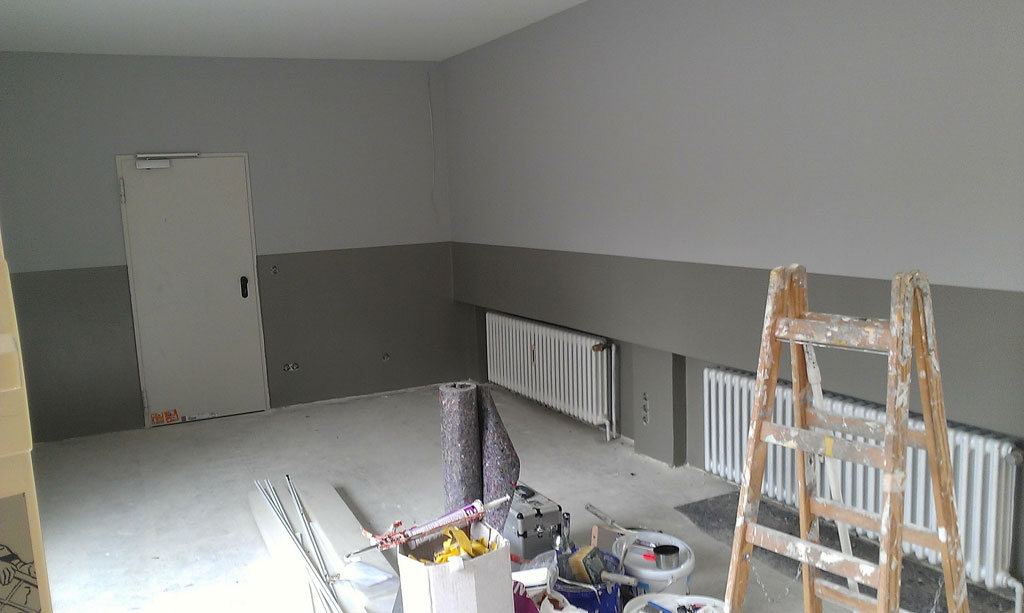
When you’re preparing your home for sale, it’s not unusual to need to fix up a few things around the property. After all, you want your home to look its best to buyers, so that you get good offers, quickly.
What do you need to fix?
Here are three categories that will help you create and prioritize your list.
Anything that squeaks or creaks.
Is there something in your home that makes a noise it shouldn’t be making? Perhaps it’s a rattling closet door or a creaking floor board? You may be so used to it you no longer notice the sound. But buyers will. Be sure to get those items fixed.
Anything that’s unsightly.
You don’t have to make your home look perfect. However, things that are unsightly will likely get buyers’ attention. You want them to focus on the terrific features of your property, not the scuff on the wall.
Take a walk through your property, including the yard. Pretend you’re the buyer. Do you notice anything that doesn’t look good? If so, tidy it up, fix it up or replace it.
Anything that’s broken.
If there’s anything that needs repair — an outside tap that’s not working, or a sliding door that regularly careens off its runner — call the contractor or fix it yourself.
Imagine finding a home you love, making an offer, and then finding out there are other competing offers on the table. Ouch.
If you’re looking for a property in a competitive market, it is likely that there will be multiple offers. Even just one can create the risk that you’ll lose the home. So how do you make sure your offer is enticing enough to win over the seller? Here are some ideas:
Don’t make a low-ball offer. If you do, it might be dismissed and you probably won’t get another chance to bid — especially if the other competing offers are near the listing price.
Have a pre-arranged mortgage and include that with your offer. This reassures the seller there won’t be any money issues. (Most lenders will provide you with a pre-arranged mortgage certificate for this purpose.)
Go in with a price high enough that the seller will be interested, but not so high as to be leaving money on the table. This is tricky and requires a savvy knowledge of the current market.
Have a REALTOR® present the offer on your behalf. A REALTOR® will know how to do so professionally, and in a manner that gives you the best chance of getting the home.
In a competitive situation, working with a REALTOR® who is an expert on the local market — and a skilled negotiator — is crucial.
Looking for a REALTOR® like that? Call Claudio today.
How to Cut Your Electricity Bill in Half
How to Cut Your Electricity Bill in Half
You don’t have to freeze in the winter or start reading by candlelight to reduce your electricity bill. There are many simple ways to use less power with little, if any, impact on your lifestyle.
A good place to start is with your electronics.
According to the David Suzuki Foundation, “Any gizmo that has a clock, digital timer, remote control or standby mode is sucking energy when it’s not being used (it’s called ‘phantom electricity’ — and it’s scary how much of it there is).” So keep them unplugged as much as possible. Also, unplug charger cords for phone and computers when not in use. Even when not connected to the device, they still suck power.
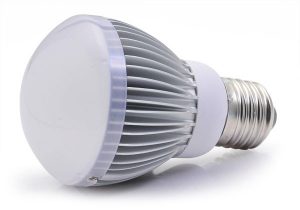
Another easy change to make involves your lights. Switching to compact fluorescent (CFL) or LED light bulbs can save you a lot of energy. They’re 75% more efficient.
Finally, the old-fashioned method of insulating doors and windows can work wonders for lowering your electricity bill. In fact, some particularly drafty homes can lose up to 40% of their heat. Check for drafts regularly and repair or replace insulation as needed.
None of these ideas will impact your day-to-day living. Yet, they could potentially save you a bundle.
Call Claudio if you would like to discuss these and other ideas further.
You’ve Gotta Love Millennials – Micah Tyler
Metro Vancouver housing start for 2017
REBGV: Metro Vancouver housing market off to a quieter start than last year
Home sales and listings trends are below long-term averages in the Metro Vancouver* housing market. This is due largely to reduced activity in the detached home market.
Residential property sales in the region totalled 1,523 in January 2017, a 39.5 percent decrease from the 2,519 sales recorded in January 2016 and an 11.1 percent decrease compared to December 2016 when 1,714 homes sold.
Last month’s sales were 10.3 per cent below our 10-year January sales average.
“From a real estate perspective, it’s a lukewarm start to the year compared to 2016,” Dan Morrison, Real Estate Board of Greater Vancouver (REBGV) president said. “While we saw near record-breaking sales at this time last year, home buyers and sellers are more reluctant to engage so far in 2017.”
New listings for detached, attached and apartment properties in Metro Vancouver totalled 4,140 in January 2017. This represents a 6.8 percent decrease compared to the 4,442 homes listed in January 2016 and a 215.5 per cent increase compared to December 2016 when 1,312 properties were listed.
The total number of homes currently listed for sale on the Multiple Listing Service® (MLS®) in Metro Vancouver is 7,238, a 9.1 percent increase compared to January 2016 (6,635) and a 14.1 percent increase compared to December 2016 (6,345).
The sales-to-active listings ratio for January 2017 is 21 per cent. This is the lowest the ratio has been in the region since January 2015. Generally, analysts say that downward pressure on home prices occurs when the ratio dips below the 12 per cent mark for a sustained period, while home prices often experience upward pressure when it surpasses 20 percent over several months.
“Conditions within the market vary depending on property type. The townhome and condominium markets are more active than the detached market at the moment,” Morrison said. “As a result, detached home prices declined about 7 percent since peaking in July while townhome and condominium prices held steady over this period.”
The MLS® Home Price Index composite benchmark price for all residential properties in Metro Vancouver is currently $896,000. This represents a 3.7 percent decline over the past six months and a 0.2 percent decrease compared to December 2016.
Sales of detached properties in January 2017 reached 444, a decrease of 57.6 percent from the 1,047 detached sales recorded in January 2016. The benchmark price for detached properties is $1,474,800. This represents a 6.6 percent decline over the last six months and a 0.6 percent decrease compared to December 2016.
Sales of apartment properties reached 825 in January 2017, a decrease of 24.7 percent compared to the 1,096 sales in January 2016.The benchmark price of an apartment property is $512,300. This represents a 0.3 percent increase over the last six months and a 0.4 percent increase compared to December 2016.
Attached property sales in January 2017 totalled 254, a decrease of 32.4 percent compared to the 376 sales in January 2016. The benchmark price of an attached unit is $666,500. This represents a 0.4 percent decline over the last six months and a 0.7 percent increase compared to December 2016.
If you have any questions about how I can help you navigate the market, give me a call.
Your Exit Plan in Case of a Fire
Your Exit Plan in Case of a Fire
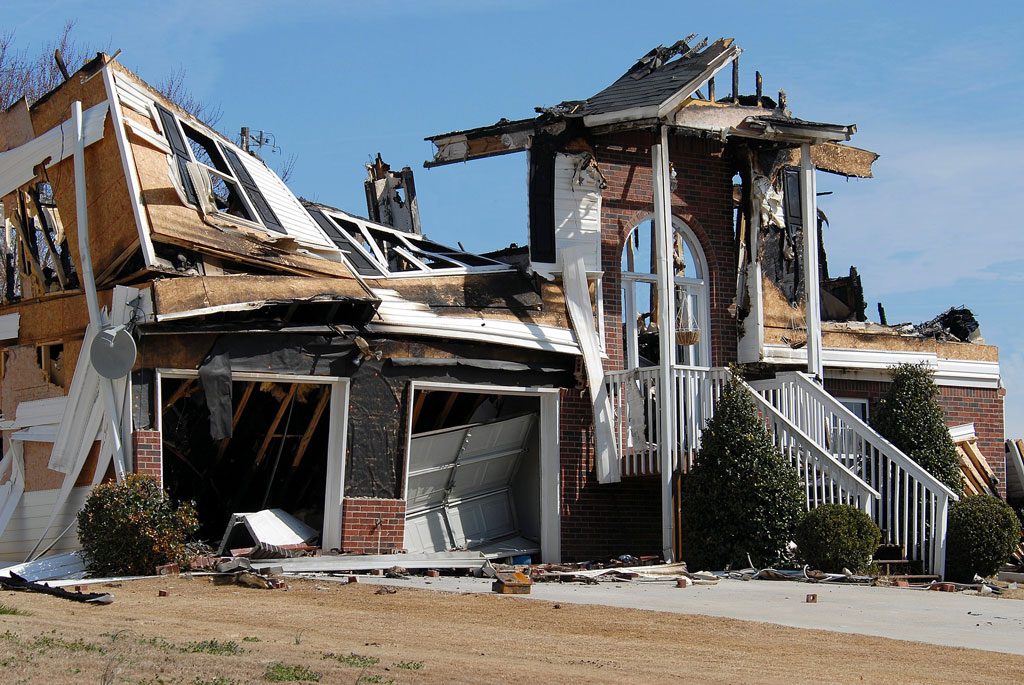
In almost every movie featuring a house on fire, the actors seem to be able to move around the house and see just fine, while beating back flames with a shirt or coat. Of course, that’s not what happens in real fires. If you haven’t already done so, it is time to consider your exit plan in case of a fire.
When there’s fire in a home, there is typically complete darkness (because the power goes out) and a cloud of spreading thick, black smoke makes it difficult to see and breathe.
That’s why knowing how to get out of your house — fast — is crucial.
Experts recommend rehearsing what to do in case there’s a fire. Make sure everyone in the family has an exit plan. Each should know exactly how to get out, including primary and secondary exits, and where the family will meet once safely outside.
Never attempt to take anything with you. It may seem like you have plenty of time to grab a coat or purse, but the characteristics of a fire can change in seconds.
As a failsafe, in case you can’t exit through a door, you should determine in advance which window has the safest exit. Make sure that the window opens easily and everyone knows how to remove the screen or any other obstruction.
Finally, don’t call the fire department from inside your house. Get out first, then make the call.
It’s a scary thing to think of but I’d rather you be prepared to be safe. If you have any questions, call me and I’d be happy to chat about how I can help keep you and your family safe!
Will an Open House Help Sell your Home?
Will an Open House Help Sell your Home?
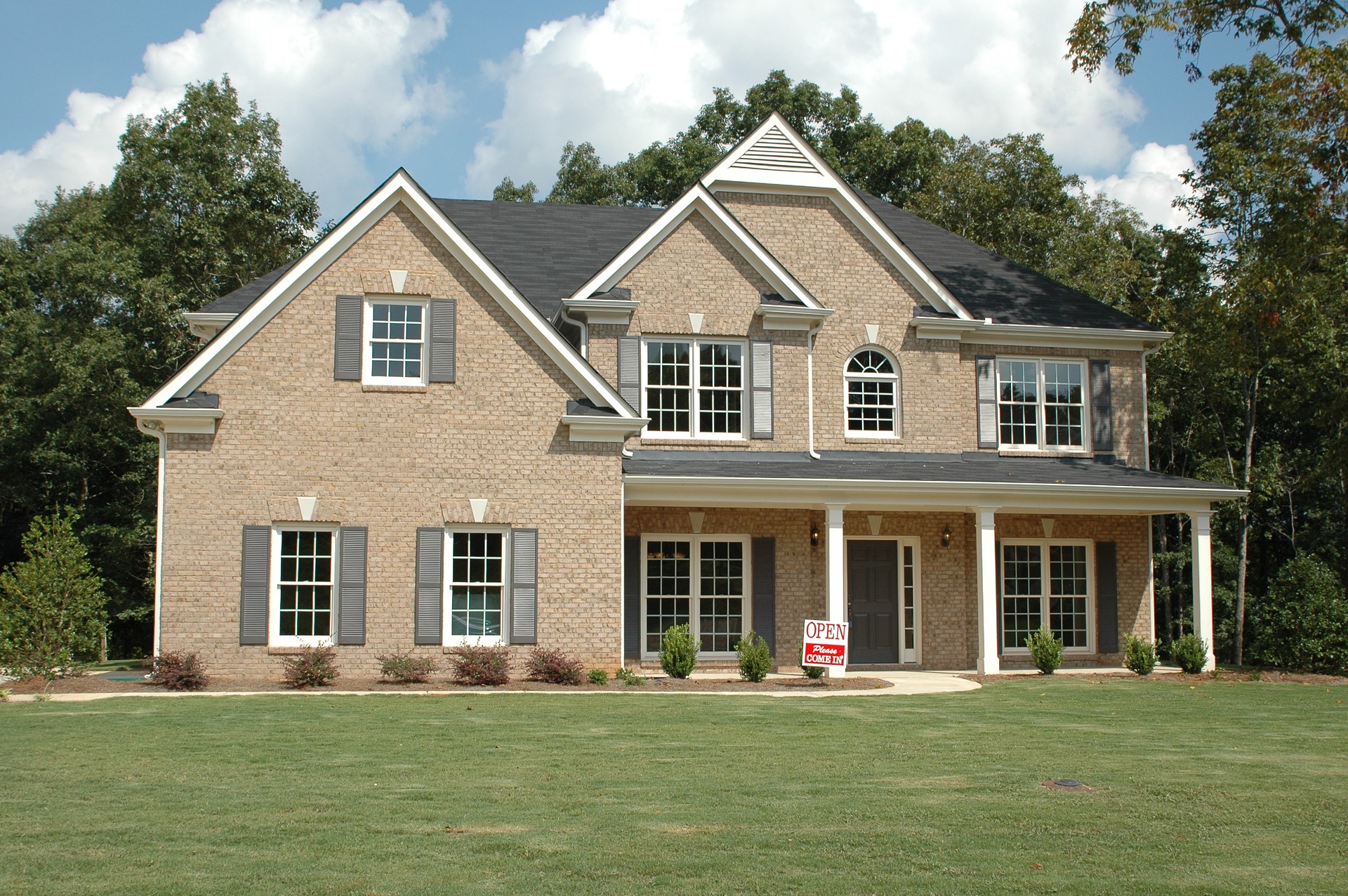
You’ve probably seen signs around the area for Open Houses. You may have even attended a few. These are open invitations for potential buyers to drop by on a certain day and time, to check out the property and get more information.
When you’re listing your home for sale, you might wonder whether you’ll need to have an Open House.
To answer that question, you’ll need to consider the pros and cons. Planning and hosting an open house isn’t as easy as it may seem. There’s a lot of preparation involved. In addition, you’ll likely spend hours making your property look its best and you’ll need to be away from your home for a good part of that day.
That being said, an Open House has many advantages.
It helps showcase features of your property that may not come across well in advertisements and listing descriptions.
It attracts potential buyers who, for any number of reasons, might not otherwise call to view the home.
It generates a buzz and publicity about your listing. However, an Open House might not be necessary if there is high demand for properties like yours and you’re likely to get multiple offers.
If you have any questions or would like to talk to me about scheduling an Open House, please feel free to contact me.
Under this new level, approximately 91% of homes will now fall under the threshold. This means that the government plans to spend approximately $821 million in homeowner grants to British Columbians for the 2017-2018 year.
What are your thoughts on this move?
Does this help you or do you think this is a political move?
If you have questions about how the grant affects you, please feel free to contact me.
REBGV December 2016 Statistics
A heated year for Metro Vancouver real estate draws to a close
The Metro Vancouver housing market had its third highest selling year on record in 2016, behind only 2015 and 2005.
Sales of detached, attached and apartment properties in the region reached 39,943 in 2016, a 5.6 % decrease from the 42,326 sales recorded in 2015, and a 20.6 % increase over the 33,116 residential sales in 2014.
“It was an eventful year for real estate in Metro Vancouver. Escalating prices caused by low supply and strong home buyer demand brought more attention to the market than ever before,” Dan Morrison, Real Estate Board of Greater Vancouver (REBGV) president said.
“As prices rose in the first half of the year, public debate waged about what was fuelling demand and what should be done to stop it. This led to multiple government interventions into the market. The long-term effects of these actions won’t be fully understood for some time.”
Residential properties listed for sale on the Multiple Listing Service® (MLS®) in Metro Vancouver reached 57,596 in 2016. This is an increase of 0.6 pecent compared to the 57,249 properties listed in 2015 and a 2.6 per cent increase compared to the 56,066 properties listed in 2014.
“The supply of homes for sale couldn’t keep up with home buyer demand for much of 2016. This allowed home sellers to raise their asking price. It wasn’t until the last half of the year that prices began to show modest declines.”
The MLS® Home Price Index (HPI) composite benchmark price for all residential properties in Metro Vancouver ends the year at $897,600. This represents a 2.2 percent decrease over the past six months and a 17.8 percent increase compared to December 2015.
December summary
Residential property sales in the region totalled 1,714 in December 2016, a decrease of 39.4 percent from the 2,827 sales recorded in December 2015 and a decrease of 22.6 percent compared to November 2016 when 2,214 homes sold.
Last month’s sales were 8.1 per cent below the 10-year sales average for the month.
New listings for detached, attached and apartment properties in Metro Vancouver totalled 1,312 in December 2016. This represents a decrease of 35.1 % compared to the 2,021 units listed in December 2015 and a 58.3 % decrease compared to November 2016 when 3,147 properties were listed.
The total number of properties currently listed for sale on the MLS® in Metro Vancouver is 6,345, a 5.3 percent increase compared to December 2015 (6,024) and a 24.3 percent decrease compared to November 2016 (8,385).
Sales of detached properties in December 2016 reached 541, a decrease of 52.4 % from the 1,136 detached sales recorded in December 2015. The benchmark price for detached properties is $1,483,500. This represents an 18.6 % increase compared to December 2015 and a 1.8 % decrease compared to November 2016.
Sales of apartment properties reached 915 in December 2016, a decrease of 25.3 % compared to the 1,225 sales in December 2015.The benchmark price of an apartment property is $510,300. This represents a 17.3 % increase compared to December 2015 and a 0.3 % decrease compared to November 2016.
Attached property sales in December 2016 totalled 258, a decrease of 44.6 percent compared to the 466 sales in December 2015. The benchmark price of an attached unit is $661,800. This represents a 20.4 percent increase compared to December 2015 and a 0.8 percent decrease compared to November 2016.
If you have any questions, please do not hesitate to contact me. – Claudio
REBGV: Home sales and listings below 10-year average
Home sales and listings just below 10-year average
Home buyer and seller activity remains near historical averages in the Metro Vancouver housing market.
Residential home sales in the region totalled 2,214 in November 2016, a decrease of 0.9 per cent from the 2,233 sales recorded in October 2016 and a decrease of 37.2 per cent compared to November 2015 when 3,524 homes sold.
Last month’s sales were 7.6 per cent below the 10-year sales average for the month.
“While 2016 has been anything but a normal year for the Metro Vancouver housing market, supply and demand totals have returned to more historically normal levels over the last few months,” said Dan Morrison, Real Estate Board of Greater Vancouver (REBGV) president.
New listings for detached, attached and apartment properties in Metro Vancouver totalled 3,147 in November 2016. This represents a decrease of 20.9 per cent compared to the 3,981 units listed in October 2016 and a 7.2 per cent decrease compared to November 2015 when 3,392 properties were listed.
Last month’s new listing count was 1.2 per cent below the region’s 10-year new listing average for the month.
The total number of properties currently listed for sale on the MLS® system in Metro Vancouver is 8,385, an 8.3 per cent decrease compared to October 2016 (9,143) and a 3.6 per cent increase compared to November 2015 (8,096).
The sales-to-active listings ratio for November 2016 is 26.4 per cent. This is up two per cent from last month (24.4 per cent).
Downward pressure on home prices can occur when the ratio dips below the 12 per cent mark for a sustained period, while home prices can experience upward pressure when it surpasses 20 per cent over several months.
“Demand, relative to supply, for detached homes is lower right now than demand for townhomes and apartments,” Morrison said. “This is causing prices to remain stable, or flat, for townhomes and apartments, while detached homes are seeing modest month-over-moth declines.”
The MLS® Home Price Index composite benchmark price for all residential properties in Metro Vancouver is currently $908,300. This represents a 1.2 per cent decrease compared to last month and a 20.5 per cent increase compared to November 2015.
Sales of detached properties in November 2016 reached 638, a decrease of 2.1 per cent from the 652 detached sales recorded in October 2016 and a 52.2 per cent decline over November 2015. The benchmark price for detached properties is $1,511,100. This represents a 2.2 per cent decline compared to last month and a 23 per cent increase compared to November 2015.
Sales of apartment properties reached 1,200 in November 2016, an increase of 1.9 per cent compared to the 1,178 sales in October 2016 and a 22.7 per cent decrease compared to November 2015.The benchmark price of an apartment property is $512,100. This is unchanged from last month and is an 18 per cent increase compared to November 2015.
Attached property sales in November 2016 totalled 376, a decrease of 6.7 per cent compared to the 403 sales in October 2016 and a 40.9 per cent decline compared to November 2015. The benchmark price of an attached unit is $667,100. This represents a 0.3 per cent decrease compared to last month and a 23 per cent increase compared to November 2015.
Contact me if you have any questions about your place in today’s real estate market.

 Imagine finding a home you love, making an offer, and then finding out there are other competing offers on the table. Ouch.
 You don’t have to freeze in the winter or start reading by candlelight to reduce your electricity bill. There are many simple ways to use less power with little, if any, impact on
 Another easy change to make involves your lights. Switching to compact fluorescent (CFL) or LED light bulbs can save you a lot of energy. They’re 75% more efficient.

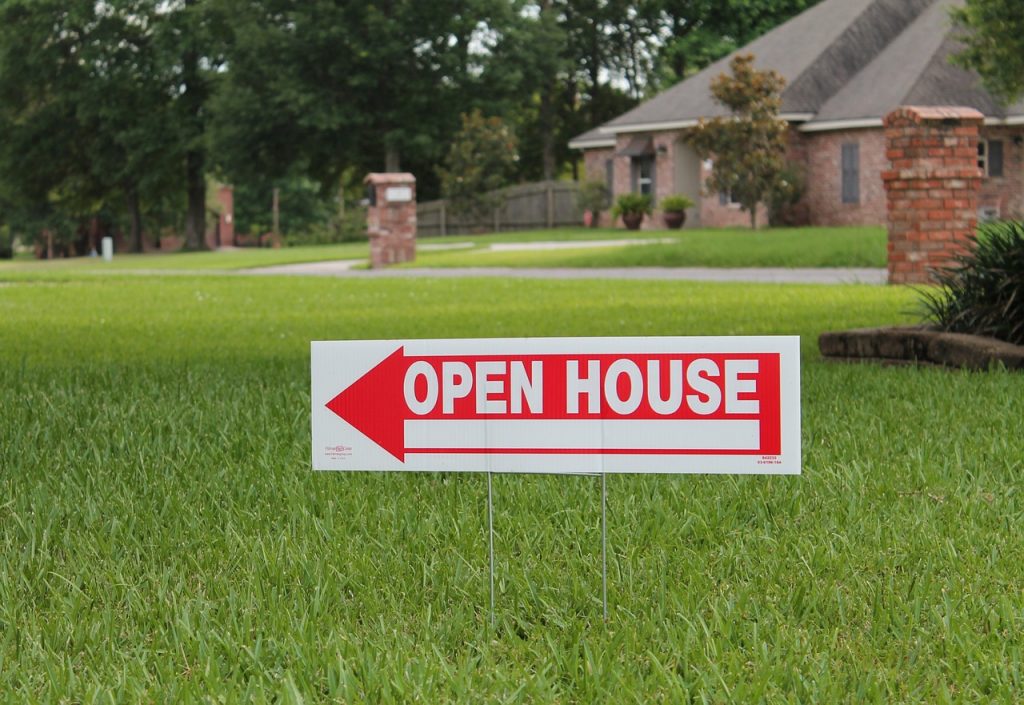 You’ve probably seen signs around the area for Open Houses. You may have even attended a few. These are open invitations for potential buyers to drop by on a certain day and time, to check out the property and get more information.