The Basics of Do-it-Yourself Video-based Home Security
According to law enforcement experts, a video-based home security system is significantly more effective than a simple alarm system. The reason is obvious. Burglars don’t want their crimes captured on video, which can then be used as evidence in court.
So it’s no wonder that many homeowners have, or are considering, video-based security.
These days, most video-based home security systems are wireless. The cameras either record to your DVR (just like recording your favourite TV show), or to a cloud-based server provided by the manufacturer.
There are many do-it-yourself systems on the market. You simply place the cameras around your property and do some initial setup. Most of these have motion-detection that records automatically when someone comes into the frame of the camera. These are typically installed at your front door, patio door, main floor windows, and garage door.
Some systems will even alert you when a camera turns on, and let you see the action on your smartphone or computer. If it’s a burglary attempt, you have the opportunity to call the police.
Although most of these products are weatherproof, check and confirm before purchasing. The packaging will say something like, “Suitable for outdoor use” or “Suitable for all-weather conditions”.
Also look for night vision capability. Not all security cameras have that feature.
Do you have a question about protecting your investment? Give me a call and we can solve it together.
Beware of Over-Downsizing or Over-Upsizing
Beware of Over-Downsizing or Over-Upsizing
Buying a new pair of shoes is relatively easy. Once you find the style you like, all you need to do is try them on and see if they fit. If they do, you go to the cash register and pay.
When it comes to size, buying a new home can be trickier! Whether your intention is to upsize or downsize, figuring out the right size can be especially challenging.
Say for example, you’re downsizing from a large two-story home to a smaller bungalow. You don’t want to underestimate the space you need and end up in a place that feels tight. If you’re going the other way and upsizing, you don’t want to end up sinking extra money into a property that’s larger than you really need.
So how do you avoid these scenarios?
One of the best ways is to start by considering your current home. Do you use all the rooms in your home regularly? Is there a bedroom that’s rarely occupied? Has the recreation room become simply a storage area? If you’re downsizing, subtracting rooms you scarcely use can give you a better idea of what you need in a new home.
Upsizing is a bit more challenging because you have to anticipate what you will need in the future. For example, if you have young children, and your place is feeling cramped, then a home with a recreation room or separate family and living rooms may be a good idea. You may also need a bigger kitchen with a spacious eating area (in addition to a separate dining room.) Think about the extra room you’ll need and how you’ll use that space.
When I work with a client, I typically sit down with them and discuss the type of home they want in detail — and, based on needs and circumstance, I make expert recommendations. Bottom line, I help clients find the perfect fit in a new home. Contact me if you’d like to learn more.
Home sales down, listings up across Metro Vancouver
Home sales down, listings up across Metro Vancouver
The Metro Vancouver housing market saw fewer home buyers and more home sellers in April.
The Real Estate Board of Greater Vancouver (REBGV) reports that residential property sales in the region totalled 2,579 in April 2018, a 27.4 per cent decrease from the 3,553 sales recorded in April 2017, and a 2.5 per cent increase compared to March 2018 when 2,517 homes sold.
Last month’s sales were 22.5 per cent below the 10-year April sales average.
“Market conditions are changing. Home sales declined in our region last month to a 17-year April low and home sellers have become more active than we’ve seen in the past three years,” Phil Moore, REBGV president said. “The mortgage requirements that the federal government implemented this year have, among other factors, diminished home buyers’ purchasing power and they’re being felt on the buyer side today.”
There were 5,820 detached, attached and apartment properties newly listed for sale on the Multiple Listing Service® (MLS®) in Metro Vancouver in April 2018. This represents an 18.6 per cent increase compared to the 4,907 homes listed in April 2017 and a 30.8 per cent increase compared to March 2018 when 4,450 homes were listed.
The total number of properties currently listed for sale on the MLS® system in Metro Vancouver is 9,822, a 25.7 per cent increase compared to April 2017 (7,813) and a 17.2 per cent increase compared to March 2018 (8,380).
“Home buyers have more breathing room this spring. They have more selection to choose from and less demand to compete against,” Moore said.
For all property types, the sales-to-active listings ratio for April 2018 is 26.3 per cent. By property type, the ratio is 14.1 per cent for detached homes, 36.1 per cent for townhomes, and 46.7 per cent for condominiums.
Generally, analysts say that downward pressure on home prices occurs when the ratio dips below the 12 per cent mark for a sustained period, while home prices often experience upward pressure when it surpasses 20 per cent over several months.
The MLS® Home Price Index composite benchmark price for all residential properties in Metro Vancouver is currently $1,092,000. This represents a 14.3 per cent increase over April 2017 and a 0.7 per cent increase compared to March 2018.
Sales of detached properties in April 2018 reached 807, a 33.4 per cent decrease from the 1,211 detached sales recorded in April 2017. The benchmark price for detached properties is $1,605,800. This represents a 5.1 per cent increase from April 2017 and a 0.2 per cent decrease compared to March 2018.
Sales of apartment properties reached 1,308 in April 2018, a 24 per cent decrease from the 1,722 sales in April 2017. The benchmark price of an apartment property is $701,000. This represents a 23.7 per cent increase from April 2017 and a 1.1 per cent increase compared to March 2018.
Attached property sales in April 2018 totalled 464, a 25.2 per cent decrease compared to the 620 sales in April 2017. The benchmark price of an attached unit is $854,200. This represents a 17.7 per cent increase from April 2017 and a 2.3 per cent increase compared to March 2018.
Do you have questions about what this means for you? Please don’t hesitate to give me a call.
Creating a Practical Home Office
Creating a Practical Home Office
Is your home office the dining room table? Is it anywhere you can sit down undisturbed with your laptop? If so, you might be interested in converting a room or nook into a dedicated home office. Depending on what you do for a living, there could be a tax advantage to creating this space too.
The first step is to pick a spot. Ideally, you want an area where you can work without too many distractions.
Next, make sure the spot you’ve chosen can accommodate a desk and any other furnishings you’ll need. Think about what you want within easy reach of your work area. Will you need a place for books and other papers? An extra chair for client meetings? A flipchart? A filing cabinet? Think about all of the options in advance.
Then, you’ll want to make sure the spot you picked has the electrical outlets you need, especially if you’re going to have a printer, special lighting, a computer and other items that need power.
Finally, you’ll want your home office to be a place where you can enjoy working. So decorate it with that in mind. If you like plants, get plants. If you enjoy golf, have your golf trip pictures hanging on the wall.
With a little work, you can quickly create a home office space that is comfortable, functional and enjoyable. It sure beats the dining room! Let me know if I can get you in touch with an interior designer for some assistance.
5 Ways to Make the Selling Process Stress-Free
5 Ways to Make the Selling Process Stress-Free
For some homeowners, the process of listing, showing, and selling their home can be stressful. Fortunately, there is plenty you can do to make it much less nerve-racking—and even exciting and enjoyable. Here are some ideas:
Make a plan. Decide when you’re going to show your property, search for a new home, view listings, etc. Block out these times in an agenda book or calendar. That way, you and your family can see what’s coming up.
Be flexible. Few things go exactly as planned! So, it’s important to build in flexibility. For example, you may plan to see homes for sale on Saturdays, but if an opportunity comes up on a weeknight, give yourself room in your schedule to jump on it.
Eat well. There are numerous studies that connect poor nutrition with increased stress. When people are selling and moving, there’s a tendency to rely on quick fixes, such as hot dogs and pizza! Try to plan more nutritious meals that will keep everyone healthy and energized.
Get stuff done early. Doing things last minute, such as finding a real estate lawyer or getting rid of clutter, can quickly lead to stress and frustration. Whenever possible, get tasks done early. That way, you won’t have to worry about them.
Hire the right professionals. By far, the surest way to a stress-free move is to get the right professionals working for you: everyone from contractors to mortgage brokers to movers.
By the way, a big part of what I do for clients is help make every aspect of buying, selling and moving go smoothly. Contact me to learn how I can help you.
Fewer Home Sales, News Flash
Fewer home sales and listings in the first quarter
of 2018
Home buyers and sellers were less active in Metro Vancouver throughout the first quarter of 2018.
The Real Estate Board of Greater Vancouver (REBGV) reports that residential home sales in the region totalled 2,517 in March 2018, a 29.7 per cent decrease from the 3,579 sales recorded in March 2017, and a 14 per cent increase compared to February 2018 when 2,207 homes sold.
Last month’s sales were 23 per cent below the 10-year March sales average.
There were 6,542 home sales on the Multiple Listing Service® (MLS®) in Metro Vancouver during the first quarter of 2018, a 13.1 per cent decrease from the 7,527 sales over the same period last year. This represents the region’s lowest first-quarter sales total since 2013.
“We saw less demand from buyers and fewer homes listed for sale in our region in the first quarter of the year,” Phil Moore, REBGV president said. “High prices, new tax announcements, rising interest rates, and stricter mortgage requirements are among the factors affecting home buyer and seller activity today.”
There were 4,450 detached, attached and apartment properties newly listed for sale in Metro Vancouver in March 2018. This represents a 6.6 per cent decrease compared to the 4,762 homes listed in March 2017 and a 5.4 per cent increase compared to February 2018 when 4,223 homes were listed.
There were 12,469 homes listed for sale in Metro Vancouver during the first quarter of 2018, a 0.8 per cent decrease from the 12,568 sales over the same period last year. This represents the region’s lowest first-quarter new listings total since 2013.
The total number of homes currently listed for sale on the MLS® system in Metro Vancouver is 8,380, a 10.5 per cent increase compared to March 2017 (7,586) and a 7.1 per cent increase compared to February 2018 (7,822).
“Even with lower demand, upward pressure on prices will continue as long as the supply of homes for sale remains low,” Moore said. “Last month was the quietest March for new home listings since 2009 and the total inventory, particularly in the condo and townhome segments, of homes for sale remains well below historical norms.”
For all property types, the sales-to-active listings ratio for March 2018 is 30 per cent. By property type, the ratio is 14.2 per cent for detached homes, 39.9 per cent for townhomes, and 61.6 per cent for condominiums.
Generally, analysts say that downward pressure on home prices occurs when the ratio dips below the 12 per cent mark for a sustained period, while home prices often experience upward pressure when it surpasses 20 per cent over several months.
The MLS® Home Price Index composite benchmark price for all residential properties in Metro Vancouver is currently $1,084,000. This represents a 16.1 per cent increase over March 2017 and a 1.1 per cent increase compared to February 2018.
Sales of detached properties in March 2018 reached 722, a decrease of 37 per cent from the 1,150 detached sales recorded in March 2017. The benchmark price for detached properties is $1,608,500. This represents a 7.4 per cent increase from March 2017 and a 0.4 per cent increase compared to February 2018.
Sales of apartment properties reached 1,349 in March 2018, a decrease of 26.7 per cent compared to the 1,841 sales in March 2017. The benchmark price of an apartment property is $693,500. This represents a 26.2 per cent increase from March 2017 and a 1.6 per cent increase compared to February 2018.
Attached property sales in March 2018 totalled 446, a decrease of 24.1 per cent compared to the 588 sales in March 2017. The benchmark price of an attached unit is $835,300. This represents a 17.7 per cent increase from March 2017 and a two per cent increase compared to February 2018.
Are you thinking of putting your home on the market? Let me help you decipher what the market news means for you. Give me a call today.
How a Professional Chef Would Remodel Your Kitchen
How a Professional Chef Would Remodel Your Kitchen
Watch any TV cooking show, and you’ll notice that a chef’s kitchen looks quite a bit different than what you’d find in most homes. But, that doesn’t mean you can’t have one just like it in your home! With a little remodeling, and splurging on some new items, you too can have a kitchen worthy of Gordon Ramsay, Jamie Oliver, or Rachel Ray.
Chefs love counter space. So, when remodeling, plan to create as much as possible. If you have an existing island, for example, you can replace the countertop with a larger one. Just adding eight inches in both directions will make a big difference.
Most chefs have more than one oven. If that’s impractical for you, consider buying a double-oven stove. Also, chefs prefer gas burners for quicker heat- up times and exacting control of cooking temperature.
One thing you’ll notice about chefs is they love stainless steel.
That’s because it’s easy-to-clean, hygienic and durable (assuming you take care of it).
Finally, because chefs spend so much time in the kitchen, they want the space to be attractive and comfortable. So, when remodeling, keep decor in mind.
Even if you’re just an amateur chef, creating a chef-worthy kitchen will make the foodie in you smile. Want to talk kitchens? Give me a call. I know a number of interior designers whom I trust that I can refer.
Subtle Signs it May Be Time to Sell
Subtle Signs it May Be Time to Sell
Sometimes the reason for putting your home on the market is crystal clear. For example, you might have a job relocation and need to move. Or, you might have decided to downsize because the kids have left the nest.
However, there are many other motivations to list your home that are not as obvious, and yet are still good reasons to make a move. Here are just a few examples…
You’re bored with your home and are looking for a change.
There’s something you’ve always wanted in a home that your current property doesn’t have, such as a wooded backyard.
You want to be closer to work, or to activities you enjoy, such as golf.
You want to be closer to family.
The neighbourhood is changing in a way that no longer fits the lifestyle you want.
There’s another neighbourhood you’ve always dreamed of living in.
Your tastes have changed and you want to live in a different type of home.
None of these reasons makes it an absolute necessity to list your property and find a new home. Yet, they’re all worth considering, especially if moving will make you and your family happier, and provide you with a more desirable lifestyle.
Want to talk about the possibilities? Call me today.
Home buyer demand depends on property type
Home buyer demand depends on property type
Attached and apartment homes are in demand across Metro Vancouver while detached home buyers are facing less competition today.
The Real Estate Board of Greater Vancouver (REBGV) reports that residential home sales in the region totalled 1,818 in January 2018, a 19.4 per cent increase from the 1,523 sales recorded in January 2017, and a 9.8 per cent decrease compared to December 2017 when 2,016 homes sold.
Last month’s sales were 7.1 per cent above the 10-year January sales average. By property type, detached sales were down 24.8 per cent from the 10-year January average, attached sales increased 14.3 per cent and apartment sales were up 31.6 per cent over the same period.
“Demand remains elevated and listings scarce in the attached and apartment markets across Metro Vancouver,” Jill Oudil, REBGV president said. “Buyers in the detached market are facing less competition and have much more selection to choose. For detached home sellers to be successful, it’s important to set prices that reflect today’s market trends.”
There were 3,796 detached, attached and apartment properties newly listed for sale on the Multiple Listing Service® (MLS®) in Metro Vancouver in January 2018. This represents an 8.3 per cent decrease compared to the 4,140 homes listed in January 2017 and a 100.7 per cent increase compared to December 2017 when 1,891 homes were listed.
The total number of properties currently listed for sale on the MLS® system in Metro Vancouver is 6,947, a four per cent decrease compared to January 2017 (7,238) and a 0.2 per cent decrease compared to December 2017 (6,958).
For all property types, the sales-to-active listings ratio for January 2018 is 26.2 per cent. By property type, the ratio is 11.6 per cent for detached homes, 32.8 per cent for townhomes, and 57.2 per cent for condominiums.
Generally, analysts say that downward pressure on home prices occurs when the ratio dips below the 12 per cent mark for a sustained period, while home prices often experience upward pressure when it surpasses 20 per cent over several months.
The MLS® Home Price Index composite benchmark price for all residential homes in Metro Vancouver is currently $1,056,500. This represents a 16.6 per cent increase over January 2017 and a 0.6 per cent increase compared to December 2017.
Detached home sales in January 2018 reached 487, a 9.7 per cent increase from the 444 detached sales recorded in January 2017. The benchmark price for detached properties is $1,601,500. This represents an 8.3 per cent increase from January 2017 and a 0.3 per cent decrease compared to December 2017.
Apartment home sales reached 1,012 in January 2018, a 22.7 per cent increase compared to the 825 sales in January 2017. The benchmark price of an apartment property is $665,400. This represents a 27.4 per cent increase from January 2017 and a 1.5 per cent increase compared to December 2017.
Attached home sales in January 2018 totalled 319, a 25.6 per cent increase compared to the 254 sales in January 2017. The benchmark price of an attached unit is $803,700. This represents a 17.5 per cent increase from January 2017 and unchanged compared to December 2017.
Have you ever considered renting out a room to a student or renovating your basement into a self-contained rental apartment?
It’s a big decision. There are many pros and cons to consider.
On the pro side, renting can provide you with additional income. An extra few hundred dollars a month can go a long way towards paying down your mortgage or splurging on an exotic summer vacation.
Creating rentable living space in your home — for example, an “in-law suite” featuring a kitchenette and bathroom — may also increase your property’s market value.
On the con side, you’ll have more costs and responsibilities as a landlord. For example, you might need to purchase extra insurance because basic home insurance policies typically do not cover rental units, even if you’re just renting out a room. You’ll also be responsible for dealing with repairs sometimes in the middle of the night.
Also, if you’re not careful about the renter you choose, you might end up with a “problem tenant”. For example, you could have a tenant who is consistently late on rent payments or simply stops paying. That can be stressful.
If you’re deciding whether or not to rent, be sure to check local laws and regulations. Many jurisdictions have very strict rules regarding renting out space in a residential property, and those rules change frequently. Make sure you get the latest information. Let me know if you need help sorting through the regulations.

 According to law enforcement experts, a video-based home security system is significantly more effective than a simple alarm system. The reason is obvious. Burglars don’t want their crimes captured on video, which can then be used as evidence in court.
 Buying a new pair of shoes is relatively easy. Once you find the style you like, all you need to do is try them on and see if they fit. If they do, you go to the cash register and pay.

 Is your home office the dining room table? Is it anywhere you can sit down undisturbed with your laptop? If so, you might be interested in converting a room or nook into a dedicated home office. Depending on what you do for a living, there could be a tax advantage to creating this space too.
 For some homeowners, the process of listing, showing, and selling their home can be stressful. Fortunately, there is plenty you can do to make it much less nerve-racking—and even exciting and enjoyable. Here are some ideas:
 Watch any TV cooking show, and you’ll notice that a chef’s kitchen looks quite a bit different than what you’d find in most homes. But, that doesn’t mean you can’t have one just like it in your home! With a little remodeling, and splurging on some new items, you too can have a kitchen worthy of Gordon Ramsay, Jamie Oliver, or Rachel Ray.
 Sometimes the reason for putting your home on the market is crystal clear. For example, you might have a job relocation and need to move. Or, you might have decided to downsize because the kids have left the nest.
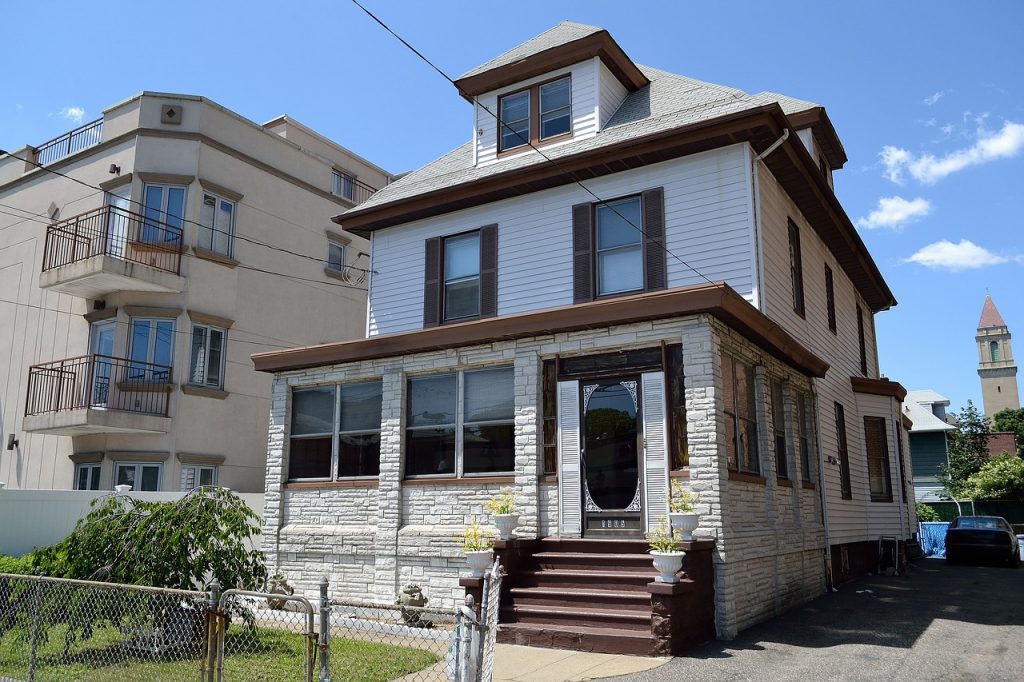 Have you ever considered renting out a room to a student or renovating your basement into a self-contained rental apartment?