Balancing the Emotional and Practical Sides of Buying a Home
Balancing the Emotional and Practical Sides of Buying a Home
Imagine this scenario…
You’re shopping for a new home. You drive to visit a recent listing. As you walk through the front doors, you’re impressed. Every room looks fantastic. You see yourself relaxing on the spacious patio, cooking in the modern kitchen, and enjoying evenings with the family in the cozy living room.
Your emotions are on overdrive. This is your dream home!
Should you make an offer? Probably. In fact, you should make that decision quickly in case there are other interested buyers. However, your decision shouldn’t be guided purely by emotion. You want to make sure you take practical matters into consideration too.
For example, you’ll want to consider:
Is the property within your price range?
Does it have everything you need?
Do you like the neighbourhood?
How old is the property?
Are there items, such as the furnace, that may need to be replaced soon?
Will it need any major repairs or upgrades?
What are the average monthly costs of carrying the home? (Property taxes, utilities, etc.)
Once you’ve considered the purchase of the home from a practical standpoint, you’ll have a lot more confidence in your decision when you make an offer.
Need help? Give me a call and we can start discussing your dream home and what to look for.
Lowering Shipping Fees When Shopping Online
Lowering Shipping Fees When Shopping Online
Online shopping is growing by an average of 20 million new shoppers each year. That’s a lot of people clicking and buying! You may be one of them.
However, there’s a cost to online shopping that’s all too easy to overlook. Shipping fees. Imagine saving $10 on a luxury cookware set, only to be hit with a $15 delivery charge. Ouch.
So how do you avoid those fees?
First of all, always check the fine print on the checkout screen. Notice what the shipping cost (if any) will be before you click the final purchase button. Keep in mind that the base shipping fee shown may update — and become higher — once you’ve typed in your address.
Some e-tailers offer free delivery for orders over a certain threshold amount; for example, $50. If there’s more you can add to an order to get the shipping fee waived, it may be worth it.
There are a few e-tailers, most notably Amazon, that offer yearly memberships where one of the benefits is free delivery on all orders. Those kinds of memberships may be worth checking out if you do a lot of online shopping with a particular company.
A final tip:
Always check for multiple delivery options. Some e-tailers, list an express shipping charge as the default option on the check-out screen, but have a free standard delivery option if you choose it.
Takeaway:
Shipping fees take the fun out of online shopping. Do what you can to reduce or eliminate them!
Four Things You Should Know About Staging
Four Things You Should Know About Staging
You’ve probably heard about “home staging”. As the name implies, it’s all about arranging each room in your home in a way that will make the best impression on buyers. Here’s what you need to know about staging if you’re thinking of listing your property.
1. Staging can get you a higher price.
On average, a fully-staged home tends to sell for 17% more than an unstaged home of the same type in the same local market.
Depending on the current market value of your property, doing some staging in your home could put thousands of extra dollars in your pocket, post-sale.
2. It can speed up the sale.
A study by the Real Estate Staging Association (RESA) showed that fully- staged homes spend an average of 90% less time on the market. So, if you need to sell quickly – without dropping your price – or you just want the comfort of having offers come in sooner, staging will definitely help.
3. You don’t have to go crazy.
Completely staging every room in your home is going to give you the full benefits of this strategy. However, you don’t have to go that far. In fact, just implementing a few simple staging techniques to some key rooms can make a big difference.
4. Get professional help or advice.
When it comes to home staging, don’t guess at it. Get professional help or advice. As a REALTOR®, I have a lot of expertise in this area and often provide clients with proven, do-it-yourself staging tips and suggestions. If necessary, I can also recommend a professional stager. Please feel free to contact me anytime.
Watch Out for Carbon Monoxide In Your Home
Watch Out for Carbon Monoxide In Your Home
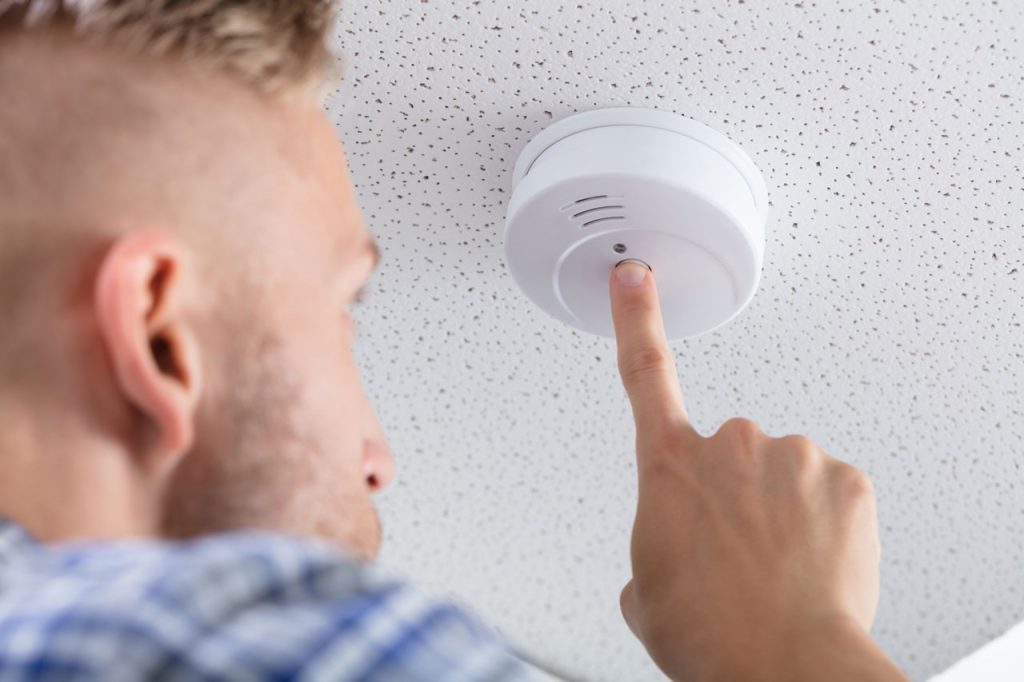
Carbon Monoxide (CO) is invisible and odourless, so you can’t actually “watch out for it”. However, you should monitor for it because an excessive build-up of this gas in your home can be deadly.
Fortunately, there are many types of Carbon Monoxide detectors you can purchase — and most are effective and affordable. Some models simply plug into an outlet. (Many also have a battery backup.)
Carbon Monoxide is caused by the incomplete burning of fuel. It can be released by a faulty gas furnace, kerosene heaters, and gas fireplaces. That’s why it’s a good idea to install detectors in areas close to these fixtures, as well as near bedrooms.
Experts say you should always follow manufacturer’s instructions when installing CO detectors and test them regularly. You want to make sure you can hear the alarm from your bedroom.
CO build-up in homes is rare. So your detectors may never go off. But, if the alarm does sound, get everyone (including pets) out of the home and into the fresh air. Then call 911. Typically, the fire department will do an inspection and determine the source of the carbon monoxide.
A final tip: Never use your BBQ or outside grill in the garage or, especially, anywhere inside your home. The risk of CO exposure is very high and definitely not worth the convenience of a grilled burger!
If you want to discuss ways to make your home even safer, give me a call and we can chat!
What Type of New Home Are You Qualified to Buy?
What Type of New Home Are You Qualified to Buy?
When you think about looking for a new home, one of the first questions that probably comes to mind is: “What type of property can I afford?” That’s an important question because your price range is a major determining factor in the types and sizes of homes you should be viewing.
You don’t want to waste time looking at properties that are beyond your price range. At the same time, you don’t want to purchase a less-than-ideal home, only to realize later on that you could have afforded more.
So how do you determine what type of new home you are qualified to purchase?
The first step is to find out what your current property would likely sell for in today’s market. I make that calculation for clients all the time. It involves reviewing what homes similar to yours have sold for recently, as well as other data — such as special features your home may have that are likely to boost the selling price.
Once you know the current market value of your home, subtract any outstanding mortgages and estimated selling expenses, and you’ll end up with an amount that can be applied to the purchase of your next home. (You may also have other funds you want to use.)
The next step is to talk to a lender or mortgage broker to see how much of a new mortgage you qualify for. (Call me if you need a recommendation.) It’s important to get a Pre-Qualification or Pre-Approval. That makes the offer you make on a new home more credible.
If you want to find out the types and sizes of homes you can get into, give me a call. I’d be happy to show you the possibilities!
DIY Home Security
The Basics of Do-it-Yourself Video-based Home Security
According to law enforcement experts, a video-based home security system is significantly more effective than a simple alarm system. The reason is obvious. Burglars don’t want their crimes captured on video, which can then be used as evidence in court.
So it’s no wonder that many homeowners have, or are considering, video-based security.
These days, most video-based home security systems are wireless. The cameras either record to your DVR (just like recording your favourite TV show), or to a cloud-based server provided by the manufacturer.
There are many do-it-yourself systems on the market. You simply place the cameras around your property and do some initial setup. Most of these have motion-detection that records automatically when someone comes into the frame of the camera. These are typically installed at your front door, patio door, main floor windows, and garage door.
Some systems will even alert you when a camera turns on, and let you see the action on your smartphone or computer. If it’s a burglary attempt, you have the opportunity to call the police.
Although most of these products are weatherproof, check and confirm before purchasing. The packaging will say something like, “Suitable for outdoor use” or “Suitable for all-weather conditions”.
Also look for night vision capability. Not all security cameras have that feature.
Do you have a question about protecting your investment? Give me a call and we can solve it together.
How a Professional Chef Would Remodel Your Kitchen
How a Professional Chef Would Remodel Your Kitchen
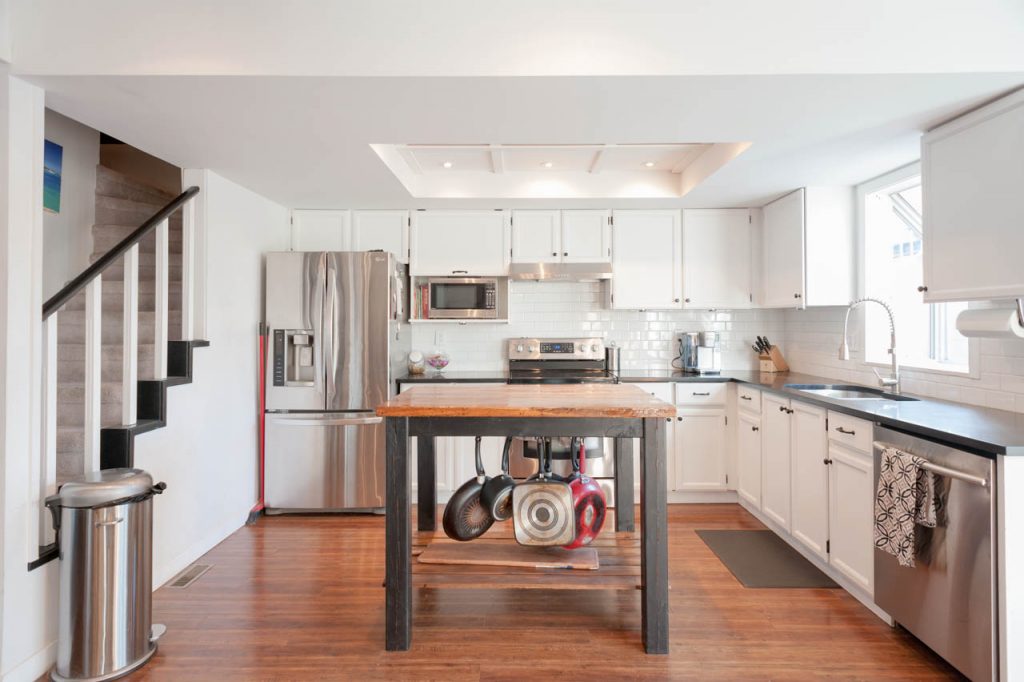
Watch any TV cooking show, and you’ll notice that a chef’s kitchen looks quite a bit different than what you’d find in most homes. But, that doesn’t mean you can’t have one just like it in your home! With a little remodeling, and splurging on some new items, you too can have a kitchen worthy of Gordon Ramsay, Jamie Oliver, or Rachel Ray.
Chefs love counter space. So, when remodeling, plan to create as much as possible. If you have an existing island, for example, you can replace the countertop with a larger one. Just adding eight inches in both directions will make a big difference.
Most chefs have more than one oven. If that’s impractical for you, consider buying a double-oven stove. Also, chefs prefer gas burners for quicker heat- up times and exacting control of cooking temperature.
One thing you’ll notice about chefs is they love stainless steel.
That’s because it’s easy-to-clean, hygienic and durable (assuming you take care of it).
Finally, because chefs spend so much time in the kitchen, they want the space to be attractive and comfortable. So, when remodeling, keep decor in mind.
Even if you’re just an amateur chef, creating a chef-worthy kitchen will make the foodie in you smile. Want to talk kitchens? Give me a call. I know a number of interior designers whom I trust that I can refer.
Should You Rent Out Part of Your Home?
Should You Rent Out Part of Your Home?
Have you ever considered renting out a room to a student or renovating your basement into a self-contained rental apartment?
It’s a big decision. There are many pros and cons to consider.
On the pro side, renting can provide you with additional income. An extra few hundred dollars a month can go a long way towards paying down your mortgage or splurging on an exotic summer vacation.
Creating rentable living space in your home — for example, an “in-law suite” featuring a kitchenette and bathroom — may also increase your property’s market value.
On the con side, you’ll have more costs and responsibilities as a landlord. For example, you might need to purchase extra insurance because basic home insurance policies typically do not cover rental units, even if you’re just renting out a room. You’ll also be responsible for dealing with repairs sometimes in the middle of the night.
Also, if you’re not careful about the renter you choose, you might end up with a “problem tenant”. For example, you could have a tenant who is consistently late on rent payments or simply stops paying. That can be stressful.
If you’re deciding whether or not to rent, be sure to check local laws and regulations. Many jurisdictions have very strict rules regarding renting out space in a residential property, and those rules change frequently. Make sure you get the latest information. Let me know if you need help sorting through the regulations.
Exiting through a Window in an Emergency
Exiting through a Window in an Emergency
Hopefully, this will never happen to you. But, there are circumstances – a fire, for example – when you and your family would need to exit through a window.
It pays to be prepared for that possibility.
Your first step is to determine which windows are safe to use as an exit. There should be at least one on each level.
The windows you select will need to provide enough space for a person to climb through (at least a 20 inch opening). Make sure everyone knows which windows are “safe exit” windows, and how to open them. Keep in mind that windows may have screens, so ensure everyone knows how to remove those as well.
For a second floor window, consider purchasing a portable escape ladder. These are compact and easily stowed in a closet or under a bed. When you need it, it hangs off the sill and expands into a ladder all the way to the ground. It’s not designed for everyday use, but it will get you and your family out!
Rehearsal is a good idea. You want everyone to know how to get to the nearest “safe exit” window – especially in the dark.
Finally, keep your windows in a good state of repair. According to the National Fire Safety Association, windows should open easily for everyone, and should not have anything in front of them that will prevent or delay a quick exit.
Give me a call if you would like to further discuss home safety tips.
Common Household Items that Can Cause a Fire
Common Household Items that Can Cause a Fire
You never want to smell smoke in your home and realize there’s a fire. That’s why it is important to be diligent about fire safety. Experts recommend that homeowners be especially careful with the following common household items:
Portable heaters. Never leave one in a room unattended. Make sure paper and other combustible materials are well away from these units.
Electronics chargers. We all want our computers, tablets and smartphones to charge quickly. The price we pay for that convenience is chargers that pull in a lot of power, making them very hot. Keep them away from combustible material, as well as other wiring.
Smoking materials. Be careful with cigarettes, pipes, cigars and other such items. Bedding and upholstery, which burn slowly and dangerously, are the source of 75% of smoking-related fires.
Candles. Never leave candles unattended for any reason. If you must leave the room, extinguish them.
Flammable liquids. These can include paints, thinners and some brands of cleaning products. Read labels carefully and follow the safety instructions.To paraphrase a famous expression: An ounce of prevention is worth not having to deal with a house fire.




 According to law enforcement experts, a video-based home security system is significantly more effective than a simple alarm system. The reason is obvious. Burglars don’t want their crimes captured on video, which can then be used as evidence in court.
 Watch any TV cooking show, and you’ll notice that a chef’s kitchen looks quite a bit different than what you’d find in most homes. But, that doesn’t mean you can’t have one just like it in your home! With a little remodeling, and splurging on some new items, you too can have a kitchen worthy of Gordon Ramsay, Jamie Oliver, or Rachel Ray.
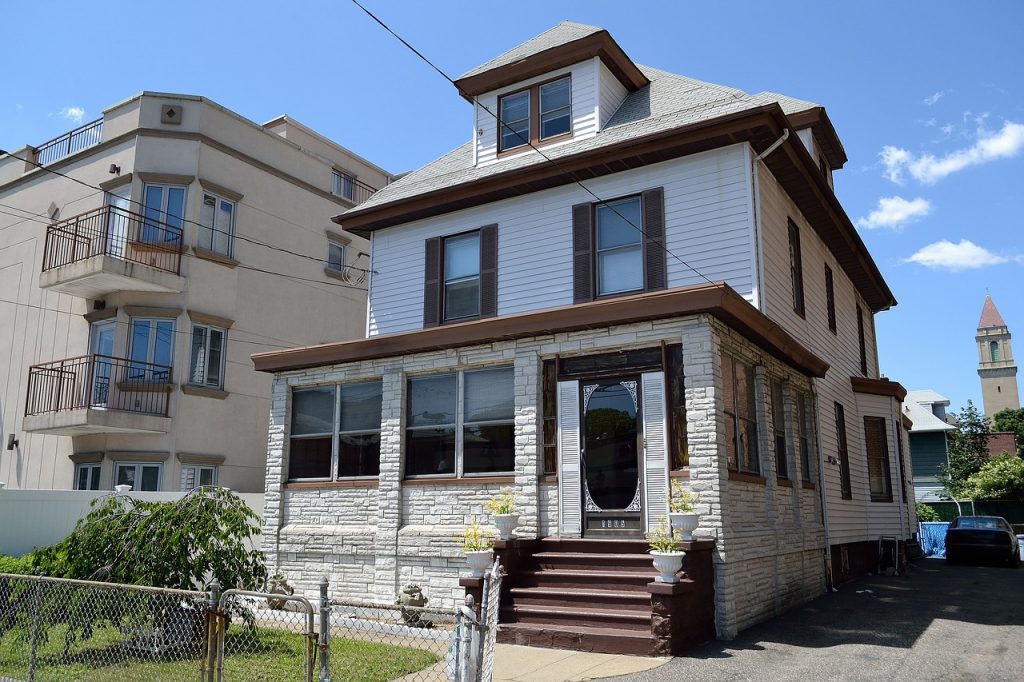 Have you ever considered renting out a room to a student or renovating your basement into a self-contained rental apartment?
 Hopefully, this will never happen to you. But, there are circumstances – a fire, for example – when you and your family would need to exit through a window.