When you think about selling your property, do you dwell on the possible work and stress involved? You’re not alone. Many homeowners share the same concerns. But it doesn’t have to be that way. In fact, there are plenty of ways to add some fun, anticipation, and even a sense of adventure to the selling process. Here are just a few ideas:
1. Plan fun things to do when your home is being shown. That can include walks, sports activities, or trying something you and your family have never done before.
2. Declutter for your own benefit. Instead of thinking about decluttering as a chore required for the sale, focus instead on how much more comfortable your home will be after decluttering. Studies consistently show that less clutter reduces stress and increases a sense of wellbeing.
3. Get everyone in your home anticipating the move in a positive way. Put pictures of your next home, including neighbourhood shots, on the fridge door. Sit together on the computer and explore your new neighbourhood’s features and amenities.
4. Celebrate milestones in the selling process. For example, when you’re finished preparing your property for sale, go out to celebrate. Make a checklist of milestones and how you’ll celebrate each one.
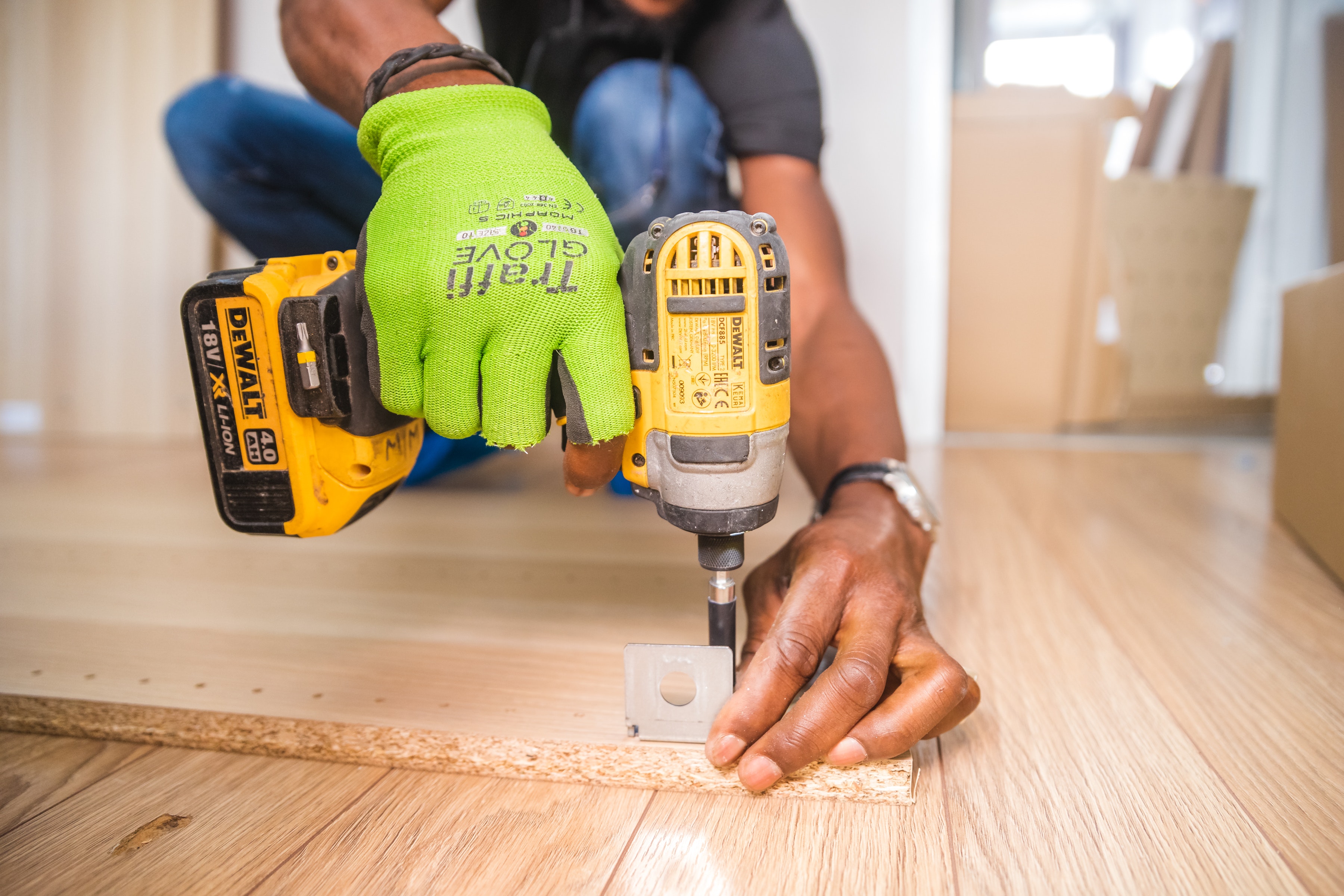
5. Get the help you need. A big part of the stress of selling is the anticipated work involved. Remember, you don’t have to do it all yourself. Much of what needs to be done can be handled by contractors and other professionals.
There are many other ways to make selling your home a positive and turbulent free experience. Give me a call if you’d like more ideas and suggestions.
Are You Covered? A Homeowner’s Insurance Guide
Are You Covered? A Homeowner’s Insurance Guide
No one likes to think about disasters. Severe weather, fire, theft—or even a seemingly small issue like a broken pipe—can wreak havoc on your home and result in thousands of dollars in damages. Fortunately, a good homeowners insurance policy can offer you peace of mind that you and your family will be financially protected if disaster strikes.
A homeowners insurance policy covers your home—as well as the belongings in it—in case of theft, accidental damage, or certain natural disasters. In fact, most financial institutions require that you purchase homeowners insurance before they issue a mortgage. While coverage varies, most policies also help to protect you from liability should someone outside your household become injured on your property. And that liability coverage is often extended to include damage you (or anyone living in your household) may do to someone else’s property.1
With all the protection offered, it’s equally important to understand what a home insurance policy does NOT cover. For example, homeowners insurance won’t pay to repair malfunctioning systems and appliances within your home. And terms vary, but standard policies typically exclude coverage related to floods, earthquakes, slow leaks, power failure, neglect, aging, faulty repairs or construction materials, and acts of war.2
Homeowners Insurance Covers Things Like:
Structure
Roof
Windows
Furniture/Personal Belongings
Liability for Non-Residents Injured on Property
Liability for Damage or Injury Caused by You or Your Pets
Most Standard Policies DON’T Cover:
Malfunctioning Systems & Appliances
Floods
Earthquakes
Slow Leaks
Power Failures
Neglect or Aging
Faulty Repairs
Acts of War
So how do you minimize your risk when so many potential issues are excluded from a standard homeowners policy? Many insurers offer supplemental coverage options that can be tacked on to a basic policy. We explore this further in the section below on “7 Tips for Purchasing Homeowners Insurance.”
NARROWING THE COVERAGE GAP
Some homeowners also choose to purchase a home warranty, which covers many of the systems and appliances in your home that are NOT covered by homeowners insurance. Home warranties are separate from homeowners insurance, so if interested you’ll need to seek out a policy through a dedicated provider.
While terms vary, a home warranty will often pay to repair or replace components of your HVAC, electrical, plumbing, and some appliances that fail due to age or typical wear and tear. Unlike homeowners insurance, home warranties aren’t required by mortgage companies. But many homeowners like the added financial protection and peace of mind that home warranties provide.3
Keep in mind, if you do purchase a home warranty, you will still be responsible for paying a service fee, or deductible, every time you use it. And you will be limited to using service providers who are contracted through your home warranty company.
7 TIPS FOR PURCHASING HOMEOWNERS INSURANCE
Whether you’re shopping for a new policy on your first home or you’re considering switching providers on an existing policy, it’s important to do your research beforehand. Not all insurance policies—or providers—are created equal. A little due diligence can save you time, money, and hassle in the long run.
Prioritize Service and Value
When choosing an insurance provider, ask around for recommendations. Check with neighbours, friends, and family members, particularly those who have filed an insurance claim in the past. Find out if they had a positive or negative experience. Read online reviews. Ask your real estate agent for a referral to a reputable insurance broker who can help you compare your options.
Don’t just choose the cheapest policy. Instead, search for one that offers excellent client service and provides the best coverage for the cost.
Choose the Right Level of Coverage
Your policy limits should be high enough to cover the cost of rebuilding your home. Don’t make the common mistake of insuring your home for the price you paid for it. The cost to rebuild could be higher or lower, depending on the value of your land, your home’s unique features, market factors, new building codes, and local construction costs.4
Also, consider whether you need a higher level of liability insurance to protect your assets. If your investments and savings exceed the liability limits in your policy, you may need to purchase an excess liability or umbrella policy.
Ultimately, you should make sure your coverage is adequate to mitigate your losses—but don’t pay for excess insurance you don’t need.
Inquire About Additional Coverage
Ask your insurance agent about additional coverage options that can help close any gaps you have in your policy.
For example, if you’re in a flood or earthquake-prone area, experts strongly recommend that you add those coverages to your policy. In fact, flooding is the most frequently occurring natural hazard, and a significant percentage of insurance payouts are for homes outside “flood zones,” or areas known to be at risk of flooding. So even if your home is not technically located in a flood zone, you may want to add flood coverage to your policy, just in case.5
Expensive jewelry, furs, collectibles, or artwork may not be fully insured by a standard policy. Ask about raising your limits for any items of particular value, or check with a specialty insurer about a separate policy for such items.
Decide on “Replacement Cost” or “Actual Cash Value”
Insurers can use a variety of methods to determine how much they will pay to reimburse you for a loss, but the two most common are “replacement cost” or “actual cash value.”
If your seven-year-old sofa is damaged in a fire, replacement cost coverage will pay you the cost to purchase a new, comparable sofa at today’s prices. Actual cash value coverage will pay you for the depreciated value of the sofa you lost—so what you would pay to buy a seven-year-old sofa rather than a new one.6
While a replacement cost coverage policy will result in a bigger payoff if you suffer a loss, it will probably require a larger annual premium. Compare both options to find out which is the better fit for you.
Consider a Higher Deductible
A deductible is the amount of money you are responsible for paying on a loss before your insurance company will pay a claim. Opting for a higher deductible can reduce your premiums.
Note that in some cases, your insurance policy may have a separate or higher deductible for certain kinds of claims, such as those caused by floods, windstorms, hail, or earthquakes.
While a higher deductible can save you money on your premiums, opt for one that is still affordable given your current financial situation.
Try Bundling Your Coverage
Combining your home, automobile, and other policies under one insurer can often result in a significant discount. And some insurers offer additional benefits, such as a single deductible if property insured by multiple policies is damaged. For instance, if a fire destroys your home and your car, you may only have to pay the higher of the two deductibles. Bundling can also make payment and renewal of your policies more convenient.7
However, bundling isn’t always the best or least expensive option. In some cases, you may find better coverage options, service, and/or pricing if you split your policies between multiple insurers. So be sure to consider all of your options before making a final decision.
Reassess Your Policy Each Year
Even if you’ve done all your due diligence before purchasing a homeowners insurance policy, don’t set your annual renewal on autopilot. Instead, when it comes time to renew, take some time to consider factors that have changed over the past year.
For example, have you made any home improvements that would require you to raise your coverage limits? Have you made any security or safety improvements that qualify you for a discount on your premiums?8
Has there been a shift in market conditions that would make it more or less expensive to rebuild your home now? If so, you may need to adjust your coverage levels accordingly.
If you’ve made any changes to how you use your home, you may need to adjust your policy, as well. For example, if you’ve started a home-based business or occasionally rent out your home on a home-sharing site, you may not be fully covered by your existing policy.9
Finally, consider any changes to your financial situation that may require increased liability coverage limits. If you’ve grown your investments or inherited property, it may be time to purchase additional coverage to protect your expanding asset base.
MINIMIZE RISK, MAXIMIZE VALUE
Now that you understand the basics of homeowners insurance, you should be ready to start shopping for a policy that best fits your needs and budget. Your goal should be to minimize your risk while maximizing the value your policy provides.
While you never want to leave yourself without a safety net should disaster strike, you also don’t want to overpay for insurance you don’t need (and will hopefully rarely use). Aim to strike a balance that will provide you with adequate protection at an affordable price.
NEED MORE GUIDANCE? WE CAN HELP
If you’re in the market to purchase homeowners insurance or a home warranty, give us a call! We get a lot of feedback from clients on the best (and worst) providers and are happy to share what we know.
We can also put you in touch with a trusted insurance professional who can answer your questions and help you find the best policy to meet your needs.
The above references an opinion and is for informational purposes only.It is not intended to be financial or insurance advice. Consult the appropriate professionals for advice regarding your individual needs.
If you’re going to be out-of-town but need to sell you home, you might be
concerned about listing your property while you’re away. After all, you won’t
be around to show your property, schedule viewings, consider offers, etc.
While it’s ideal that you be close to home when you’re selling, there’s no
reason why you can’t list your property, even if you’re going to be out-of-town.
When it comes to communications and document sharing, technology is a
wonderful thing! While you’re away, you can utilize phone, email, file sharing
apps (such as Dropbox), e-signing apps (such as DocuSign) and, online
meeting apps (such as Zoom).
For viewing appointments, a secure lock box (with your key inside) can be
installed so buyers can be shown your property.
Even services such as staging, painting, repair work, and cleaning can be
done while you’re away.
Sure, the selling process can become a little more challenging if you’re going
to be out-of-town, but certainly not impossible. In fact, homes are sold all the
time under these circumstances.
So, if you’re thinking of selling but worried about being away, give me a call.
I’ll show you how to make it work.
Start the Home Selling Process this Month
Start the Home Selling Process this Month
If you’re thinking about selling in the spring, don’t wait to start planning. In fact, you’ll save yourself a lot of work and get ahead of the game if you start planning now. What’s that old saying? The early bird gets the worm! In this case, by starting the process this month, you’ll be in excellent shape when you’re ready to list in the spring.
Here are just a few examples of what you can do to get the process started:
• Walk your property and note any maintenance issues that need attention.
• Decide which items to stow or sell to declutter your home.
• Determine what improvements you’ll need to make in order for your home to look great to buyers (i.e. painting.)
• Find out approximately how much your property will likely sell for in the spring market.
• Clarify the kind of new home you’d like to move into, including ideal neighbourhoods.
• Look into your financing options, so you’ll know the price range you’ll be shopping within.
• Connect with any professionals you may need, such as contractors, a mover, and a real estate lawyer.
• Take advantage of any new year shopping deals for products you may need, such as home improvement project materials, packing supplies, etc.
As you can see, the more prepared you are this month, the more stress-free and successful the home selling process will be for you in the spring.
And one more tip: contact me to get the conversation started about selling your home in the new year. It’s coming fast!
The New Normal: A Strong Housing Market Expected to Continue into 2021
The New Normal: A Strong Housing Market Expected to Continue into 2021
Circumstances like a once-in-a-hundred-years pandemic and historic inventory shortages might have made you assume that the housing market would lose steam, but there is plenty of evidence to the contrary. As Canadian Real Estate Association (CREA) senior economist, Shaun Cathcart noted, “records [are continually] being broken” in the residential property market.1
Indeed, rather than a slowdown, we are continuing to experience a surprisingly robust real estate market across the country. And experts estimate that these conditions are likely to last into the new year. TD Bank Group Economist Rishi Sondhi predicts that high home prices will persist for the rest of 2020.2
Market conditions like fewer available listings, changing criteria for desired homes, and record-low mortgage rates are changing the way people buy and sell homes, most likely in a lasting way. But this sustained activity, even in the uncertainty that is 2020, proves Canadians still view real estate as a sound investment. The only question now is how you can take advantage of the housing market’s “new normal.”
FEWER LISTINGS EQUALS A SELLER’S’ MARKET
Inventory, meaning the number of homes for sale, is at a record low across the country.
According to statistics from RBC Economics, the majority of Canada is experiencing tighter demand versus supply conditions than the country has seen in nearly two decades.3 And at the end of September, there were just 2.6 months of inventory on a national basis. That restricts supply, which increases prices if demand remains unchanged.4
There has been a bit of relief in terms of inventory. New-home construction hit levels in August that the country had not seen since 2007, but then waned somewhat in September with housing starts down in eight of 10 provinces.5 Doug Porter, chief economist at Bank of Montréal, also predicts some “building headwinds” that will further cool the influx of new inventory coming on the market.6
Fewer listings creates a housing market that is advantageous for sellers for several reasons. For one, buyers have to act fast to snap up available homes. The median number of days listings now spend on the market is 26 days.7
Another benefit is that sellers are enjoying higher net returns on their listings. This is thanks to the tough competition for homes, which often results in bidding wars between buyers. The average price of a home sold on the Canadian Real Estate Association’s (CREA’s) MLS service went for a record $604,000 (17.5% more than last year).8 Continued home-price growth is anticipated for the remainder of the fourth quarter, and the median national home price is expected to rise 7% over last year.9
This sellers’ market is not simply a product of the pandemic. In fact, Cathcart cited the steady decline in home inventory over the past five years—not COVID-19—as the cause for higher prices. “Heading towards records and record type conditions was something that we had already expected for 2020,” he said. This means that even if construction was to ramp back up, buyers can’t simply wait for things to go back to normal before reentering the market. Rather, all signs indicate that this is the new normal.10
What It Means for Homeowners:
These higher home prices show that buyers are willing to spend more on a home right now than they did last year. So, if there ever were a time to list for top dollar—and expect to receive asking price quickly—that time is now. Ask us for a free consultation of your home’s value today.
What It Means for Homebuyers:
Due to low inventory, buyers could easily find themselves in a bidding war. Time is of the essence in a seller’s market, so you’ll need to get your financing in order and be preapproved for a loan before you begin your home search. We can connect you with a trusted mortgage professional to get you started.
BUYERS BENEFIT FROM LOW MORTGAGE RATES AND A BIGGER PLAYING FIELD
Don’t worry, homebuyers. This “new normal” of real estate has benefits for you too.
For example, people used to base their next home purchase on how far the commute was to work or in which public school district it was. But now, thanks to the pandemic shifting the locus of jobs and work, they are free to consider what they need from a home to make it a place they really want to work, teach, exercise, cook, and live.
Often, this equates to needing more space in different types of areas. The search for these criteria is driving residents out of densely populated metropolitan areas and into the suburbs.11 And this exodus from cities is good news for buyers: it opens up more possibilities for inventory that they could not have considered pre-pandemic.
Another advantage for buyers is the record-low mortgage rates. The average five-year fixed rate fell to a record low of 1.99% in September, down from 3.04% at the end of 2019 and 3.74% at the end of 2018.12
Thanks to these rates, buyers are afforded the opportunity to buy much more home than they could before. Consider this example. If a buyer can afford a $500,000 home by putting $120,000 down (25%), the monthly payment on a standard 25-year mortgage would be $2,210. Conversely, with a lower rate (say, 2.8%) that buyer can now afford a $600,000 home—$100,000 more purchasing power—at a cost of only $12 additional per month.13
The good news is that interest rates are not expected to rise anytime soon—and may hover at these record lows until 2023.14
What It Means for Homeowners:
If you’re locked into a higher fixed-rate mortgage for the next several years, you’re probably wondering if it’s a good idea to refinance. With those additional funds, you could even choose to invest in a second home in a new desirable location. Reach out to us for a referral to a trusted mortgage professional or an agent in those markets.
What It Means for Homebuyers:
The time is now to determine how much home you can comfortably afford and make a plan to find it. We can set up a search for you to find homes that best meet your new needs, even if they’re in neighbourhoods you wouldn’t have considered before.
A RECORD-SETTING YEAR FOR HOME SALES IS JUST THE BEGINNING
Despite the seemingly adverse buyer conditions, 2020 experienced a record-breaking number of home sales. According to CREA, home sales activity jumped 46.5% year-over-year in September. With an additional 20,000 transactions logged, it was the busiest September thus far. Moreover, “[m]any Canadian housing markets are continuing to see historically strong levels of activity as we enter into the fall market of this very strange year,” CREA chair Costa Poulopoulos said in a statement.15
Part of the reason for these continued sales is that the pandemic has created a paradigm shift in the patterns of real estate. For example, housing needs are typically resolved by late summer and early fall to coincide with the commencement of the new school year. With homeschooling and remote work, however, buyers have been freed to continue their home search into the traditionally slow winter months.16
Another reason for the robust market is that household savings grew to 28.2% of household income during the pandemic, an extraordinary level that Statistics Canada said the country has not seen since the 1960s.17 Canadians who were able to keep their jobs, as well as those on unemployment, have evidently made growing their savings a priority. And it seems as though Canadian homebuyers are using that cash on real estate.18
All this indicates that the housing market is in a strong position heading into the new year. So though it looks different than it ever has before, it’s clear that consumers consider real estate to still be a good investment. The coming months should provide more clues about the market’s direction in the year ahead, such as whether low interest rates and changing housing needs can keep demand levels high, or whether the exhaustion of pent-up demand will cool things off.
What It Means for Homeowners:
It’s tempting to believe that homes will basically sell themselves in a market like this. But we’re still seeing properties that are overpriced and under-marketed sit unsold. We can help you optimize the process of selling your home so you can get the best possible offer.
What It Means for Homebuyers:
Preparation is key to success in a sellers’ market like this, but don’t let yourself become paralyzed. We are here to answer your questions and offer sound advice to guide you through all the options that are available to you.
WE’RE HERE TO GUIDE YOU
National real estate numbers can give us a pulse on the market, but real estate happens in our own backyard. As a local market expert, I can help you understand the finer points of the market that impact sales and home values in your own neighbourhood.
If you’re considering buying or selling a home before the new year or in early 2021, reach out to schedule a free consultation.
Financial Post – https://financialpost.com/executive/executive-summary/posthaste-canadas-home-prices-to-rise-12-by-the-end-of-2022-economists-predict/wcm/5f31b866-57a9-4ecf-90aa-65aa6ffbe02c/amp/
Yahoo News –
https://ca.news.yahoo.com/average-house-price-continues-defy-133115838.html
Bank of Canada –
https://www.bankofcanada.ca/2020/10/fad-press-release-2020-10-28/
CREA –
https://creastats.crea.ca/en-CA/
PwC –
https://www.pwc.com/ca/en/industries/real-estate/emerging-trends-in-real-estate-2021.html
The Globe and Mail –
https://www.theglobeandmail.com/investing/personal-finance/household-finances/article-savers-stashed-127-billion-in-2020-it-may-just-rescue-the-economy/
CBC/Radio Canada –
https://www.cbc.ca/news/canada/british-columbia/ting-column-sept-18-1.5730878
Buying a Home that Needs Some Work
Buying a Home that Needs Some Work
When you’re shopping for a new home, you probably want the property to be
as “move in ready” as possible. That way, you can… well… just move in!
However, there are a lot of fantastic properties on the market that need some
work. For example, you might see a home that has everything you need, but
the kitchen is long overdue for a renovation. Or, you might view a property
that requires a lot of repairs and painting — tasks that, at first glance, seem
overwhelming.
You don’t want to just pass on a property that might be a great buy. On the
other hand, you don’t want to purchase a home, only to end up with more
renovations, repairs and expenses than you anticipated.
What’s the solution? Here’s an idea.
When you view a home that needs work, make a note of exactly what needs
to be done. Stick to the important “must have” improvements and leave “nice
to have” improvements for a later time. Chances are, you’ll identify just one or
two projects — such as “paint all the walls” or “replace the countertops in the
kitchen”.
Once you have that list, you’ll be in a better position to determine how long
the work will likely take and the approximate cost. This will give you some
needed perspective on whether or not to buy the home.
If a home you’re considering needs $15,000 in work that can probably be
completed within two months, that might make the property worth buying. In
fact, it probably would!
So, when you see an otherwise ideal home that needs some work, don’t let
your imagination make that work into more than it is. Take notes and get
estimates.
Feeling Cool about Selling in December?
Feeling Cool about Selling in December?
If you need to sell your home in the next month or two, you might be worried.
After all, aren’t spring and summer the ideal seasons to list your property? If
you list in November or December, you might have difficulties attracting buyers
and getting the best price for your home. Right?
Not necessarily.
While it’s true that spring and summer are traditionally busy periods in the real
estate market, properties do sell every month of the year.
So, if you’re thinking of selling, you’ll need to know two things:
• What comparable homes are selling for at this time of year.
• How long homes are taking to sell, on average.
There might be a local seller’s market this month. That would mean there are
more buyers looking for homes like yours than there are sellers. If that’s the
case, your property will likely sell fairly quickly; perhaps you’ll even get multiple
offers.
But, even if there’s a buyer’s market at this moment, that doesn’t mean your
property won’t sell. It just means your home will need to be staged and
marketed effectively to attract the right buyers and pique their interest in
making an offer.
Regardless of the market, chances are, there are buyers out there looking for
a home like yours. They just need to find out about it, become interested in
viewing it, and be wowed when they see it.
So, don’t be too concerned about the month. If you’re ready to sell, there’s a
way to make it happen.
Call me for more details.
How to Fix Common Floor Cracks and Stains
How to Fix Common Floor Cracks and Stains
When you’re selling your home, you want it to look its best to buyers. Unfortunately, buyers are likely to notice any cracks or stains on your floor.
Luckily, there are many do-it-yourself solutions to help make your floors look significantly better.
Let’s start with stains.
If you have carpeting, there are a number of spot cleaning products on the market. But before you try one of those, consider this simple remedy. Sprinkle a little baking soda on the stain and then add just enough drops of white vinegar to make it bubble. Wait two minutes. Then, dab carefully with a paper towel and vacuum the residual. This method often works.
For hard floors, gentle rubbing with warm water will take care of most stains. If you have hardwood floors, don’t let the area remain wet. Dry it completely.
Ceramic tile floors often have old, discoloured grout that is an eyesore. Of course, there are products available to clean grout. But try using an old toothbrush and water before investing in those products. Scrub the grout gently. Then mop the entire area.
If you have minor damage to a section of hardwood floor or floor tiles — for example, a chip or crack — the best solution is replacement. Unfortunately, this isn’t a DIY-friendly job, so unless you’ve done it successfully before, consider hiring a contractor.
If the crack is minor and you don’t want to replace the piece, there are sealing products available, which will camouflage the crack — to some extent — and prevent it from getting worse.
If you have a flooring crack or stain you’re concerned about, try these tips. Also, check out your local home improvement centre for more ideas.
What’s the “Lifestyle” Score for your Home?
What’s the “Lifestyle” Score for your Home?
In the business world, a phrase that’s often used is ROI or Return On Investment. It refers to the regular gain (or loss) you’re getting from a particular asset relative to its cost.
When it comes to your home, the gain may be more than financial. It may include the benefit of the lifestyle it gives you. For example, a spacious backyard deck pays off in countless pleasant Saturdays with friends and family. A home’s location near convenient commuting routes means less stress getting to and from work.
Lifestyle factors are important, not only when considering where you’re living now, but also when considering where you think you’d like to live in the future. That’s why it’s a good idea to do a Lifestyle Assessment regularly. The exercise is simple. Make a list of all the lifestyle characteristics you want in a home, as well as a neighbourhood. Think about how much room you need, the kind of neighbourhood you want to live in, your hobbies and interests, what’s important to have nearby (such as schools), and so forth.
The next step is to prioritize. Move items on your list around so that the most important lifestyle factors are at the top. Finally, review the list and check off those lifestyle factors your home is currently providing. If you’re able to check off most (ideally, all) of the items at the top of your list, you’re in pretty good shape.
Your current home is probably giving you the lifestyle you want. But if some important lifestyle factors are unchecked, it might be worth considering whether buying a new home will give you a better “Lifestyle ROI”.
If, after doing this exercise, you’re curious about how to get into your ideal home, call me.
Dealing with Unsightly Flooring Issues when Selling
Dealing with Unsightly Flooring Issues when Selling
When you’re selling your home, you want it to look its best. You want buyers
who view it to say, “Wow, I love this place!” However, what if you have a
stubborn stain in the carpet, or a cracked floor tile? An unsightly issue like
that can be distracting in your otherwise beautiful property.
You have a few options.
First, try to get the issue fixed. There are specialty cleaners on the market
designed to lift even the most stubborn carpet stains.
The same goes for hardwood and tile. A flooring contractor might be able to
find a matching piece and then replace the damaged section. Contractors
also know other tricks-of-the-trade to repair damaged flooring or, at least,
minimize the damage. For example, there are fillers and stains available that
can make a crack or chip in a hardwood plank look almost invisible.
Home staging can also make damaged flooring less of a focal point in the
room. An effective arrangement of furniture, area rugs, and other items puts
more of the focus on the overall decor and less on that carpet stain.
In addition, making other more affordable improvements, such as painting,
can have a compensatory effect. A buyer may notice the chipped hardwood,
but will also notice the walls, which look like new