CRA Rules and Taxes
CRA Rules and Taxes
 Did you know?
Most Canadians pay their fair share of taxes, says CRA, but the agency has detected some who are avoiding paying taxes related to real estate transactions.
According to CRA audits over the last three years, there have been “additional taxes related to the real estate sector,” to the tune of $592.6 million.
The agency says “buying a first home represents a great accomplishment” but that it’s committed to “taking concrete action against those who break the rules.”
QUICK TAX FACTS
- Builders of new and substantially renovated residences or rental properties are required to collect and remit the GST/HST to CRA when they sell, rent out for the first time or appropriate the property for personal use. Additionally, purchasers of new residences must follow the rules when applying for new housing rebates.
- Property flipping is not illegal, so Canadians have the right to purchase and sell property for a profit. However, the income resulting from these transactions is considered business income and must be reported.
If you have any questions about how the CRA rules affect the buying or selling of your home, give me a call and we can discuss the regulations.
Source: Advisor.ca
Reduced Demand is Allowing Housing Supply to Accumulate

Reduced demand is allowing housing supply to accumulate
Home buyer demand continues to decline across the Metro Vancouver housing market.
The Real Estate Board of Greater Vancouver (REBGV) reports that residential property sales in the region totalled 2,833 in May 2018, a 35.1 per cent decrease from the 4,364 sales recorded in May 2017, and a 9.8 per cent increase compared to April 2018 when 2,579 homes sold.
Last month’s sales were 19.3 per cent below the 10-year May sales average.
“With fewer homes selling today compared to recent years, the number of homes available for sale is rising,” Phil Moore, REBGV president said. “The selection of homes for sale in Metro Vancouver has risen to the highest levels we’ve seen in the last two years, yet supply is still below our long-term historical averages.”
There were 6,375 detached, attached and apartment properties newly listed for sale on the Multiple Listing Service® (MLS®) in Metro Vancouver in May 2018. This represents a 5.5 per cent increase compared to the 6,044 homes listed in May 2017 and a 9.5 per cent increase compared to April 2018 when 5,820 homes were listed.
The total number of properties currently listed for sale on the MLS® system in Metro Vancouver is 11,292, a 38.2 per cent increase compared to May 2017 (8,168) and a 15 per cent increase compared to April 2018 (9,822).
The total number of listings available today is 17.2 per cent below the 10-year May average.
For all property types, the sales-to-active listings ratio for May 2018 is 25.1 per cent. By property type, the ratio is 14.7 per cent for detached homes, 30.8 per cent for townhomes, and 41.7 per cent for condominiums.
Generally, analysts say that downward pressure on home prices occurs when the ratio dips below the 12 per cent mark for a sustained period, while home prices often experience upward pressure when it surpasses 20 per cent over several months.
“For home sellers to be successful in today’s market, it’s important to price your property competitively given the shifting dynamics we’re experiencing,” Moore said. “It’s also important to work with your local Realtor to better understand these changing conditions.”
The MLS® Home Price Index composite benchmark price for all residential properties in Metro Vancouver is currently $1,094,000. This is an 11.5 per cent increase over May 2017 and a 0.2 per cent increase compared to April 2018.
Sales of detached properties in May 2018 reached 926, a 40.2 per cent decrease from the 1,548 detached sales recorded in May 2017. The benchmark price for detached properties is $1,608,000. This is a 2.4 per cent increase from May 2017 and a 0.1 per cent increase compared to April 2018.
Sales of apartment properties reached 1,431 in May 2018, a 29.3 per cent decrease from the 2,025 sales in May 2017. The benchmark price of an apartment property is $701,700. This is a 20.2 per cent increase from May 2017 and a 0.1 per cent increase compared to April 2018.
Attached property sales in May 2018 totalled 476, a 39.8 per cent decrease from the 791 sales in May 2017. The benchmark price of an attached unit is $859,500. This represents a 16 per cent increase from May 2017 and a 0.6 per cent increase compared to April 2018.
If you have questions about how these changes might affect the selling of your home or buying a new one, give me a call and I’ll be happy to chat with you.
What Type of New Home Are You Qualified to Buy?
What Type of New Home Are You Qualified to Buy?
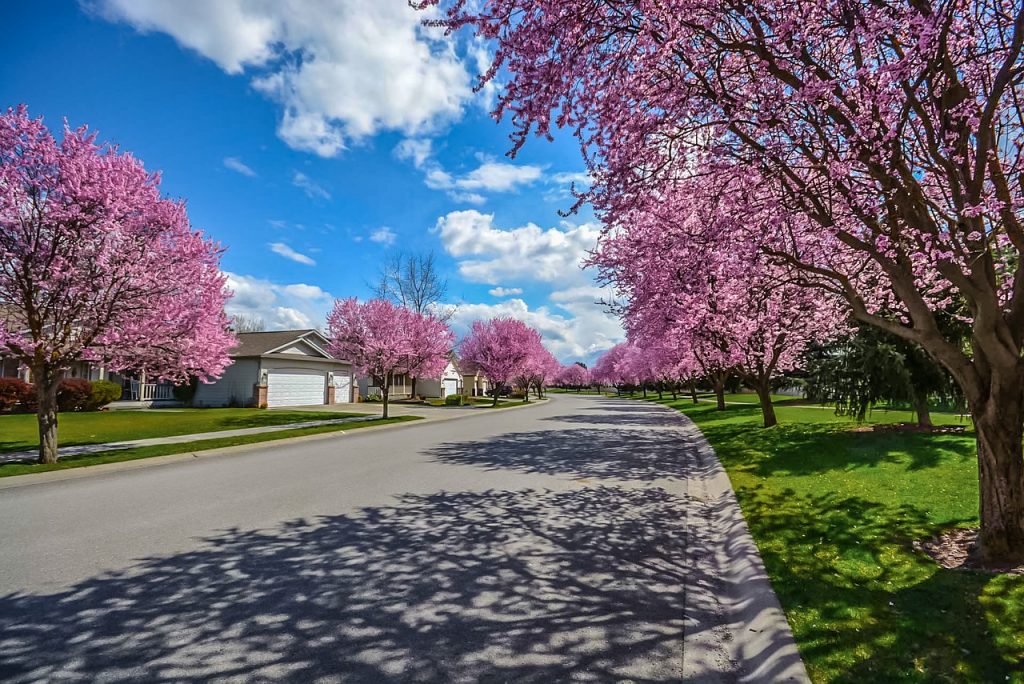
When you think about looking for a new home, one of the first questions that probably comes to mind is: “What type of property can I afford?” That’s an important question because your price range is a major determining factor in the types and sizes of homes you should be viewing.
You don’t want to waste time looking at properties that are beyond your price range. At the same time, you don’t want to purchase a less-than-ideal home, only to realize later on that you could have afforded more.
So how do you determine what type of new home you are qualified to purchase?
The first step is to find out what your current property would likely sell for in today’s market. I make that calculation for clients all the time. It involves reviewing what homes similar to yours have sold for recently, as well as other data — such as special features your home may have that are likely to boost the selling price.
Once you know the current market value of your home, subtract any outstanding mortgages and estimated selling expenses, and you’ll end up with an amount that can be applied to the purchase of your next home. (You may also have other funds you want to use.)
The next step is to talk to a lender or mortgage broker to see how much of a new mortgage you qualify for. (Call me if you need a recommendation.) It’s important to get a Pre-Qualification or Pre-Approval. That makes the offer you make on a new home more credible.
If you want to find out the types and sizes of homes you can get into, give me a call. I’d be happy to show you the possibilities!