How Long Will Your Home Appliances Last?
How Long Will Your Home Appliances Last?
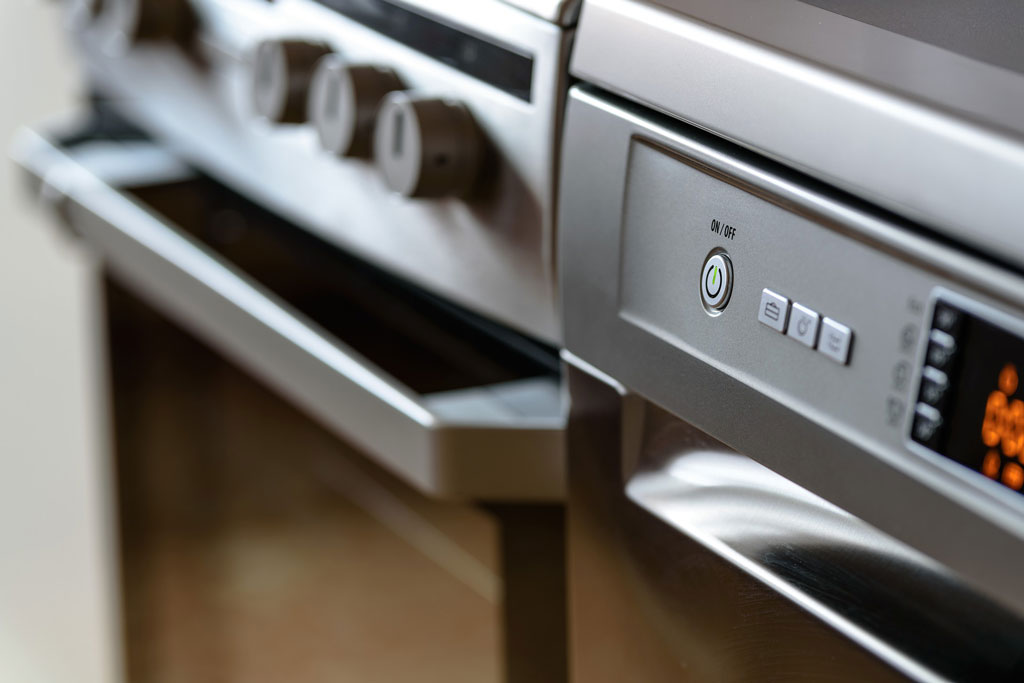
If you’re paying a lot of money for a new washing machine, wouldn’t it be nice to know how long will your home appliances last? There is, of course, no exact formula for figuring that out. Every brand and unit is different. There are however, some broad estimates.
According to an article in Consumer Reports, a washer and dryer will hum along just fine for about 10 years, with a likelihood of needing a repair during the last two to three. Leading brands offer a parts and labour guarantee for at least a year. So, if something goes wrong during that period, be sure to contact the manufacturer right away.
The National Association of Home Builders released a report a few years ago on the longevity of kitchen appliances. They found that refrigerators can last up to 13 years under normal use. Dishwashers and ovens will start to show their age after nine years. The worst record is for trash compactors, with a life expectancy of only six years before repairs or replacement is required.
Microwave ovens last an average of nine years. However, the door seal should be checked often. Otherwise, the unit will quickly lose efficiency. (You’ll notice this when your food doesn’t heat up as quickly and evenly.)
All experts agree that the best way to keep home appliances functioning properly is to follow manufacturer’s instructions for use and maintenance. If you’ve lost your user’s manual, you can download a new one (which may contain important updates) from the manufacturer’s website.
Let me know if there’s anything I can do to help out!
REBGV Real Estate Market Stats February 2017

Low supply continues to limit Metro Vancouver home buyers
March 2, 2017
Reluctance amongst Metro Vancouver* home sellers is impacting sale and price activity throughout the region’s housing market.
Residential home sales in the region totalled 2,425 in February 2017. This is a 41.9 percent decrease from the record 4,172 homes sold in February 2016 and an increase of 59.2 percent compared to January 2017 when 1,523 homes sold.
Last month’s sales were 7.7 per cent below the 10-year February sales average.
“February home sales were well below the record-breaking activity from one year ago and in line with our long-term historical average for the month,” Dan Morrison, Real Estate Board of Greater Vancouver (REBGV) president said. “Limited supply and snowy weather were two factors hampering this activity.”
New listings for detached, attached and apartment properties in Metro Vancouver totalled 3,666 in February 2017. This represents a 36.9 percent decrease compared to the 5,812 units listed in February 2016 and an 11.4 percent decrease compared to January 2017 when 4,140 properties were listed.
This is the lowest number of new listings registered in February since 2003.
The total number of properties currently listed for sale on the Multiple Listing Service® (MLS®) in Metro Vancouver is 7,594, a four percent increase compared to February 2016 (7,299) and a 4.9 percent increase compared to January 2017 (7,238).
The region’s sales-to-active listings ratio for February 2017 is 31.9 percent, a 10-point increase from January. Generally, analysts say that downward pressure on home prices occurs when the ratio dips below the 12 per cent mark for a sustained period, while home prices often experience upward pressure when it surpasses 20 percent over several months.
“While home sales are not happening at the pace we experienced last year, home seller supply is still struggling to keep up with today’s demand. This is why we’ve seen little downward pressure on home prices, particularly in the condominium and townhome markets,” Morrison said.
The MLS® Home Price Index composite benchmark price for all residential properties in Metro Vancouver is currently $906,700. This represents a 2.8 percent decrease over the past six months and a 1.2 percent increase compared to January 2017.
Sales of detached properties in February 2017 reached 745, a decrease of 58.1 percent from the 1,778 detached sales recorded in February 2016. The benchmark price for detached properties is $1,474,200. This represents a 6.5 percent decrease over the past six months and is unchanged compared to January 2017.
Sales of apartment properties reached 1,275 in February 2017, a decrease of 28.8 percent compared to the 1,790 sales in February 2016.The benchmark price of an apartment property is $526,300. This represents a 2.3 percent increase over the past six months and a 2.7 percent increase compared to January 2017.
Attached property sales in February 2017 totalled 404, a decrease of 33.1 percent compared to the 604 sales in February 2016. The benchmark price of an attached unit is $675,500. This represents a 0.3 percent decrease over the past six months and a 1.3 percent increase compared to January 2017.
Need help understanding the local real estate market and your place in it? Call Claudio.
Important Things to Fix Up before Selling Your Home
Important Things to Fix Up before Selling Your Home
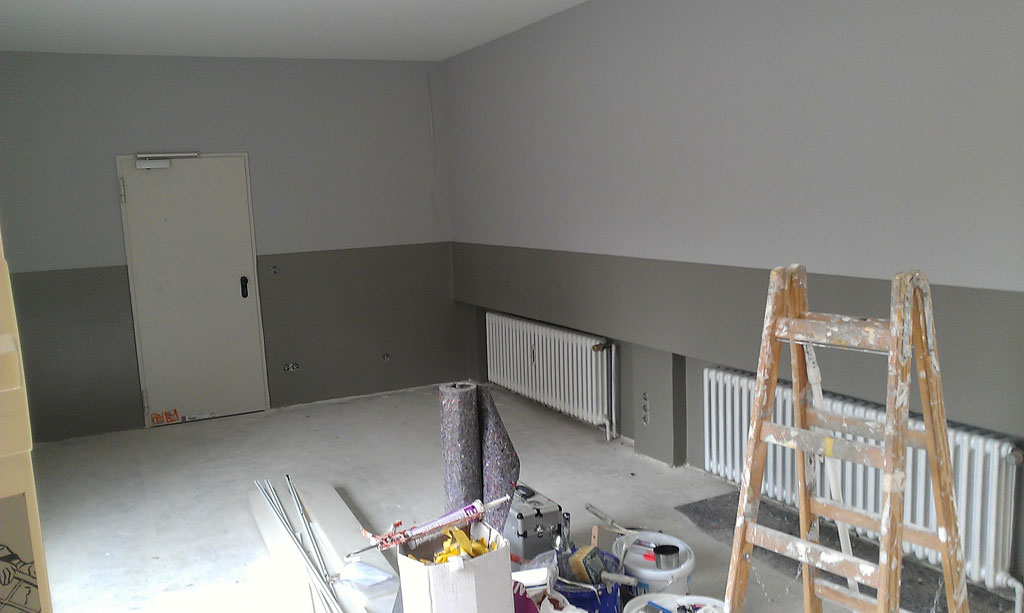
When you’re preparing your home for sale, it’s not unusual to need to fix up a few things around the property. After all, you want your home to look its best to buyers, so that you get good offers, quickly.
What do you need to fix?
Here are three categories that will help you create and prioritize your list.
-
Anything that squeaks or creaks.
Is there something in your home that makes a noise it shouldn’t be making? Perhaps it’s a rattling closet door or a creaking floor board? You may be so used to it you no longer notice the sound. But buyers will. Be sure to get those items fixed.
-
Anything that’s unsightly.
You don’t have to make your home look perfect. However, things that are unsightly will likely get buyers’ attention. You want them to focus on the terrific features of your property, not the scuff on the wall.
Take a walk through your property, including the yard. Pretend you’re the buyer. Do you notice anything that doesn’t look good? If so, tidy it up, fix it up or replace it.
-
Anything that’s broken.
If there’s anything that needs repair — an outside tap that’s not working, or a sliding door that regularly careens off its runner — call the contractor or fix it yourself.
Getting these items fixed will go a long way toward making your home appealing to buyers.
Want more tips on preparing your home for sale? Call Claudio today.