Your Exit Plan in Case of a Fire
Your Exit Plan in Case of a Fire
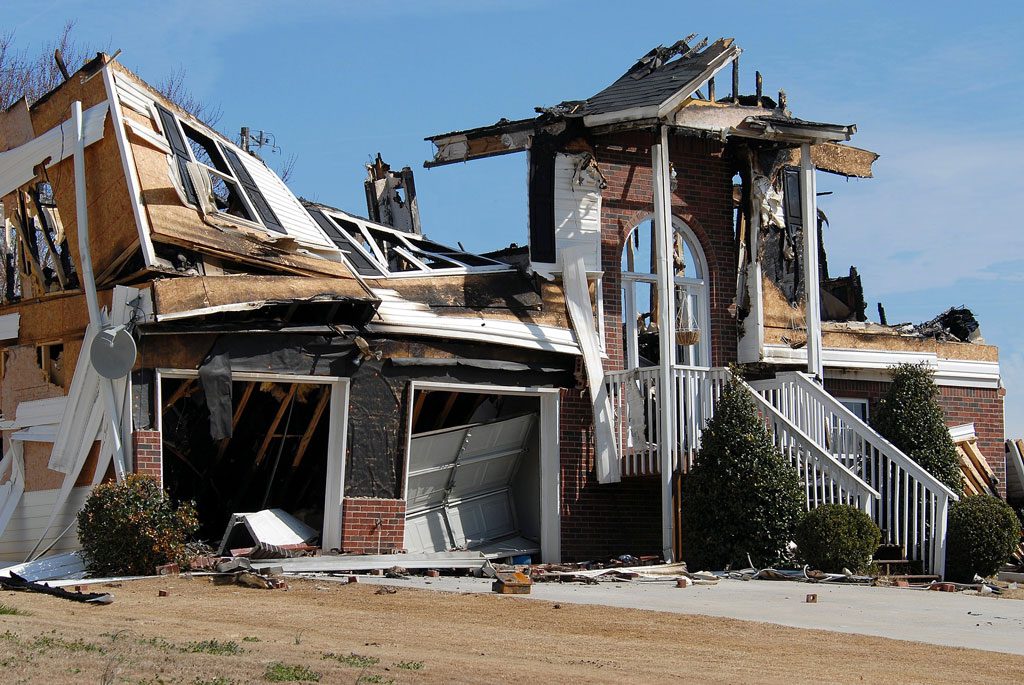
In almost every movie featuring a house on fire, the actors seem to be able to move around the house and see just fine, while beating back flames with a shirt or coat. Of course, that’s not what happens in real fires. If you haven’t already done so, it is time to consider your exit plan in case of a fire.
When there’s fire in a home, there is typically complete darkness (because the power goes out) and a cloud of spreading thick, black smoke makes it difficult to see and breathe.
That’s why knowing how to get out of your house — fast — is crucial.
Experts recommend rehearsing what to do in case there’s a fire. Make sure everyone in the family has an exit plan. Each should know exactly how to get out, including primary and secondary exits, and where the family will meet once safely outside.
Never attempt to take anything with you. It may seem like you have plenty of time to grab a coat or purse, but the characteristics of a fire can change in seconds.
As a failsafe, in case you can’t exit through a door, you should determine in advance which window has the safest exit. Make sure that the window opens easily and everyone knows how to remove the screen or any other obstruction.
Finally, don’t call the fire department from inside your house. Get out first, then make the call.
It’s a scary thing to think of but I’d rather you be prepared to be safe. If you have any questions, call me and I’d be happy to chat about how I can help keep you and your family safe!
Will an Open House Help Sell your Home?
Will an Open House Help Sell your Home?
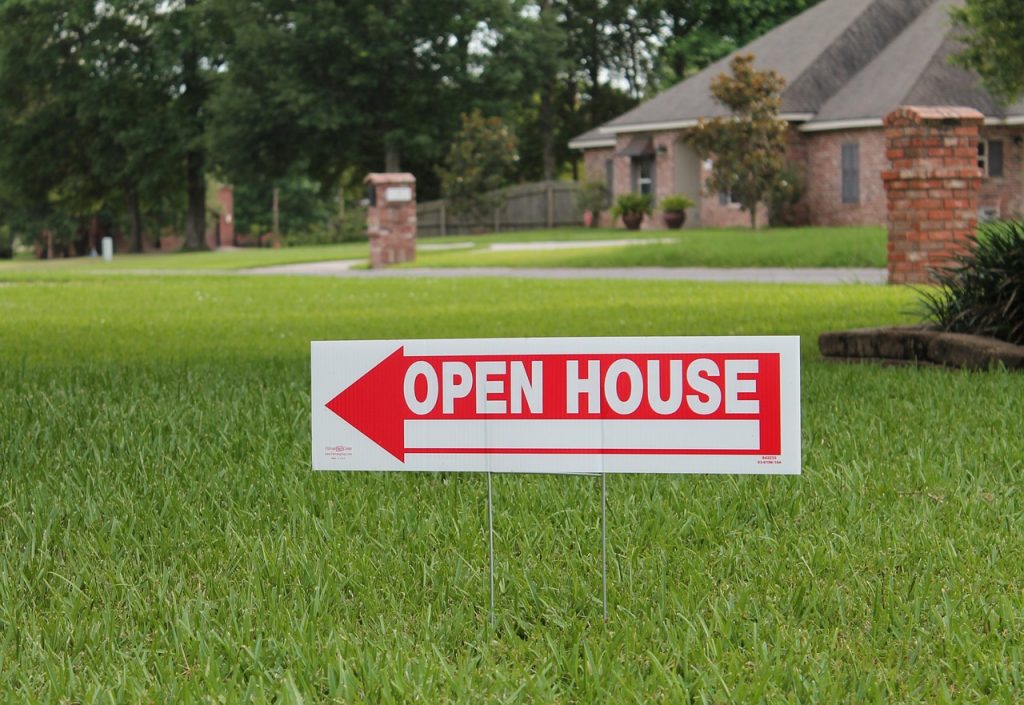 You’ve probably seen signs around the area for Open Houses. You may have even attended a few. These are open invitations for potential buyers to drop by on a certain day and time, to check out the property and get more information.
When you’re listing your home for sale, you might wonder whether you’ll need to have an Open House.
To answer that question, you’ll need to consider the pros and cons. Planning and hosting an open house isn’t as easy as it may seem. There’s a lot of preparation involved. In addition, you’ll likely spend hours making your property look its best and you’ll need to be away from your home for a good part of that day.
That being said, an Open House has many advantages.
- It helps showcase features of your property that may not come across well in advertisements and listing descriptions.
- It attracts potential buyers who, for any number of reasons, might not otherwise call to view the home.
- It generates a buzz and publicity about your listing. However, an Open House might not be necessary if there is high demand for properties like yours and you’re likely to get multiple offers.
If you have any questions or would like to talk to me about scheduling an Open House, please feel free to contact me.
BC Government Raises Homeowner Grant Threshold
BC Government Raises Homeowner Grant Threshold
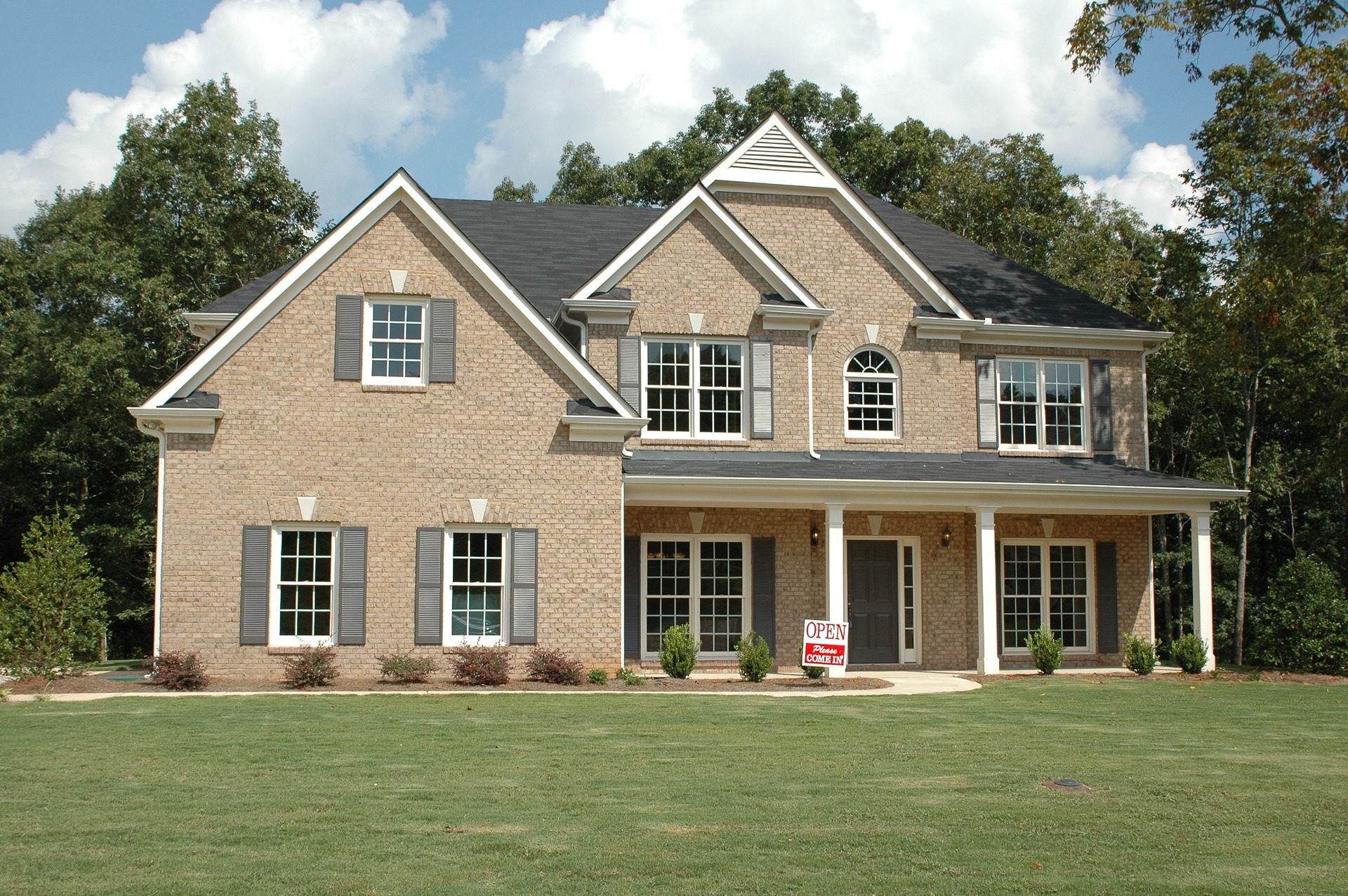
The Liberal government of British Columbia has just announced they are raising the annual homeowner grant property tax threshold from $1.2 million to $1.6 million in 2017.
Under this new level, approximately 91% of homes will now fall under the threshold. This means that the government plans to spend approximately $821 million in homeowner grants to British Columbians for the 2017-2018 year.
What are your thoughts on this move?
Does this help you or do you think this is a political move?
If you have questions about how the grant affects you, please feel free to contact me.
REBGV December 2016 Statistics

A heated year for Metro Vancouver real estate draws to a close
The Metro Vancouver housing market had its third highest selling year on record in 2016, behind only 2015 and 2005.
Sales of detached, attached and apartment properties in the region reached 39,943 in 2016, a 5.6 % decrease from the 42,326 sales recorded in 2015, and a 20.6 % increase over the 33,116 residential sales in 2014.
“It was an eventful year for real estate in Metro Vancouver. Escalating prices caused by low supply and strong home buyer demand brought more attention to the market than ever before,” Dan Morrison, Real Estate Board of Greater Vancouver (REBGV) president said.
“As prices rose in the first half of the year, public debate waged about what was fuelling demand and what should be done to stop it. This led to multiple government interventions into the market. The long-term effects of these actions won’t be fully understood for some time.”
Residential properties listed for sale on the Multiple Listing Service® (MLS®) in Metro Vancouver reached 57,596 in 2016. This is an increase of 0.6 pecent compared to the 57,249 properties listed in 2015 and a 2.6 per cent increase compared to the 56,066 properties listed in 2014.
“The supply of homes for sale couldn’t keep up with home buyer demand for much of 2016. This allowed home sellers to raise their asking price. It wasn’t until the last half of the year that prices began to show modest declines.”
The MLS® Home Price Index (HPI) composite benchmark price for all residential properties in Metro Vancouver ends the year at $897,600. This represents a 2.2 percent decrease over the past six months and a 17.8 percent increase compared to December 2015.
December summary
Residential property sales in the region totalled 1,714 in December 2016, a decrease of 39.4 percent from the 2,827 sales recorded in December 2015 and a decrease of 22.6 percent compared to November 2016 when 2,214 homes sold.
Last month’s sales were 8.1 per cent below the 10-year sales average for the month.
- New listings for detached, attached and apartment properties in Metro Vancouver totalled 1,312 in December 2016. This represents a decrease of 35.1 % compared to the 2,021 units listed in December 2015 and a 58.3 % decrease compared to November 2016 when 3,147 properties were listed.
- The total number of properties currently listed for sale on the MLS® in Metro Vancouver is 6,345, a 5.3 percent increase compared to December 2015 (6,024) and a 24.3 percent decrease compared to November 2016 (8,385).
- Sales of detached properties in December 2016 reached 541, a decrease of 52.4 % from the 1,136 detached sales recorded in December 2015. The benchmark price for detached properties is $1,483,500. This represents an 18.6 % increase compared to December 2015 and a 1.8 % decrease compared to November 2016.
- Sales of apartment properties reached 915 in December 2016, a decrease of 25.3 % compared to the 1,225 sales in December 2015.The benchmark price of an apartment property is $510,300. This represents a 17.3 % increase compared to December 2015 and a 0.3 % decrease compared to November 2016.
- Attached property sales in December 2016 totalled 258, a decrease of 44.6 percent compared to the 466 sales in December 2015. The benchmark price of an attached unit is $661,800. This represents a 20.4 percent increase compared to December 2015 and a 0.8 percent decrease compared to November 2016.
If you have any questions, please do not hesitate to contact me. – Claudio